Picture this: fresh basil sprigs snipped from your countertop for a homemade pesto, or vibrant cherry tomatoes ripening on a shelf in your apartment, even as snow falls outside. Starting an indoor vegetable garden transforms everyday spaces into productive havens, delivering nutrition, flavor, and a touch of nature year-round. This comprehensive resource covers everything from foundational choices to advanced techniques, equipping you with the knowledge to cultivate success regardless of outdoor limitations. Whether you’re a novice in a urban studio or an enthusiast expanding your setup, you’ll discover practical strategies for thriving harvests that enhance your lifestyle and sustainability efforts.
The Compelling Benefits of an Indoor Vegetable Garden
Embarking on indoor vegetable gardening yields rewards beyond the plate. It fosters self-reliance by providing access to organic produce, free from the uncertainties of supply chains or seasonal shortages. In today’s fast-paced world, where urban living often disconnects us from nature, this practice reconnects you with growth cycles, offering therapeutic benefits like stress reduction and improved air quality through natural filtration.
Economically, it trims grocery expenses—initial investments in basics like pots and lights recoup quickly with repeated yields. Environmentally, indoor setups minimize waste; they use up to 90% less water than traditional gardens when optimized, aligning with climate-smart trends emphasizing resource efficiency. For families or individuals, it’s inclusive, adaptable to various abilities with raised or automated systems, and educational, teaching patience and biology through hands-on experience. Overall, it empowers healthier eating, greener habits, and the joy of nurturing life in controlled, compact environments.
Choosing the Best Vegetables to Grow Indoors Year-Round
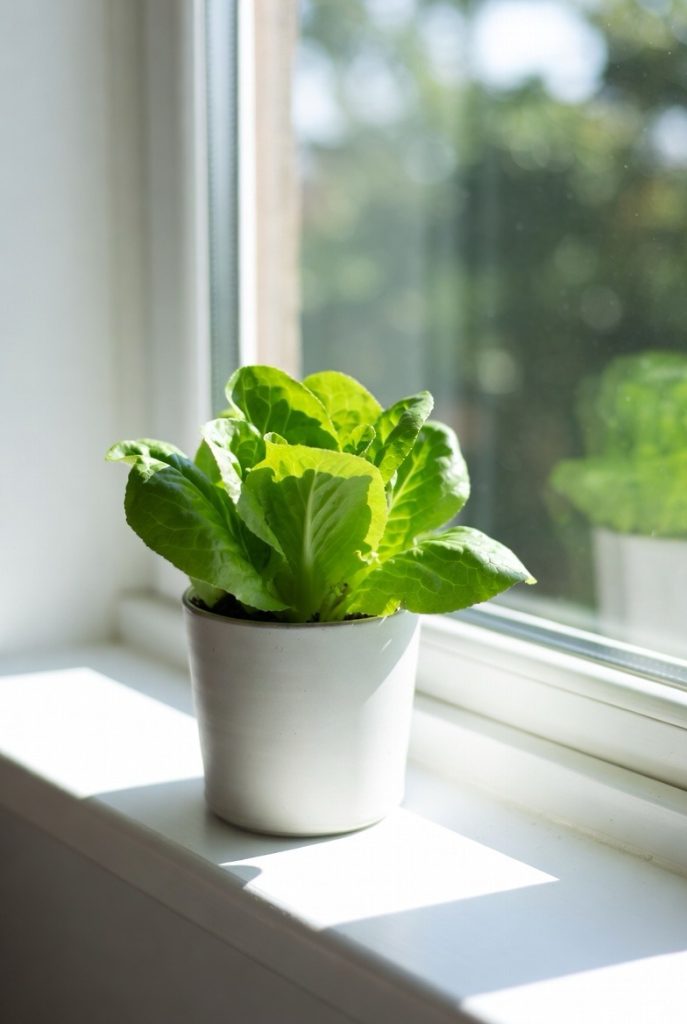
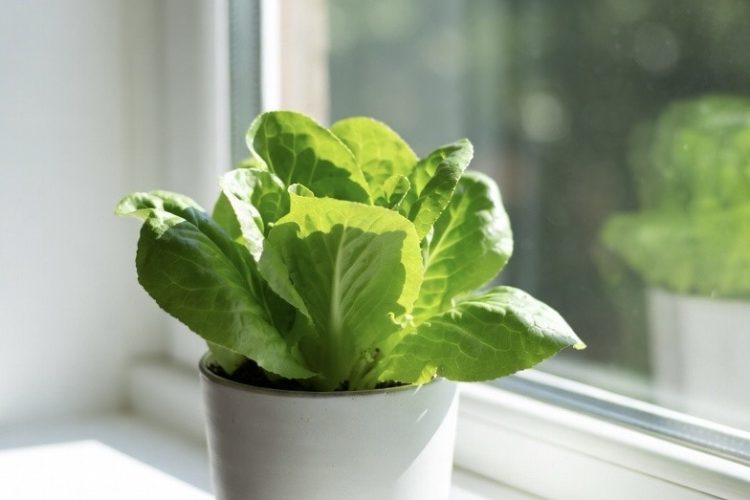
Selecting suitable crops is pivotal for an effective indoor vegetable garden. Prioritize varieties that adapt to limited light, space, and controlled conditions. Leafy greens excel here: lettuce varieties like butterhead or romaine, spinach, kale, arugula, and Swiss chard grow quickly, tolerate lower light, and allow multiple harvests from the same plant, making them ideal for beginners seeking consistent output.
Root vegetables offer satisfying results without excessive depth—radishes mature in under a month, while compact carrots like ‘Paris Market’ or beets thrive in shallower containers. Scallions and garlic greens regenerate from scraps, providing endless flavor with minimal effort. For fruiting options, dwarf cherry tomatoes such as ‘Tiny Tim’ and peppers (bell or chili) deliver color and taste, though they demand brighter conditions and pollination assistance.
Herbs are indispensable: basil, mint, parsley, oregano, chives, rosemary, and thyme flourish indoors, enhancing meals while requiring little room. Microgreens and sprouts provide nutrient-dense options that sprout in days, perfect for quick gratification. Cucumbers in compact forms, strawberries, and even lemons can work with vertical supports. Factor in your climate and goals—opt for resilient, disease-resistant seeds labeled for containers to ensure year-round viability and avoid disappointments.
Assessing and Optimizing Your Indoor Space
A well-planned space sets the stage for prosperity in indoor vegetable gardening. Evaluate natural light first: south-facing windows offer the most, but supplement with artificial sources for consistency, especially in winter. Ideal temperatures range from 65-75°F daytime and slightly cooler nights to mimic natural rhythms without stress.
Choose accessible spots like kitchen counters, shelves, or dedicated corners, ensuring stability for weight and ease of maintenance. Vertical gardening maximizes footage—wall-mounted pockets or tiered stands suit apartments, promoting air flow and light distribution. Ventilation prevents stagnation; a gentle oscillating fan simulates breezes, strengthening stems and deterring mold.
Protect surfaces with trays to contain moisture, and consider humidity—most vegetables prefer 40-60%, achievable with pebble trays or grouping plants. Scalability matters: begin modestly to test layouts, then expand with modular elements like stackable planters, adapting to your evolving needs without overwhelming your environment.
Key Equipment and Sustainable Materials
Equipping your indoor vegetable garden thoughtfully ensures efficiency and longevity. Containers vary: breathable terracotta for roots, plastic for lightness, or recycled options like buckets with drainage holes to promote sustainability and reduce costs. Size them appropriately—4-6 inches for herbs, deeper for roots.
Growing mediums divide into soil-based and hydroponic. Potting mixes enriched with compost support organic growth, retaining moisture and nutrients naturally. Hydroponics, using water or inert substrates like rockwool, accelerates development by delivering nutrients directly, ideal for space-saving towers but requiring pH monitoring (5.5-6.5).
Lighting is essential: full-spectrum LEDs provide energy-efficient illumination, running 12-16 hours daily for balanced growth without high bills. Watering tools like self-watering pots or drip systems conserve resources, while organic fertilizers—compost teas or worm castings—nourish without chemicals. Incorporate timers and sensors for automation, aligning with 2026 trends toward AI-assisted care that optimizes energy use and minimizes waste.
Step-by-Step Planting and Routine Maintenance
Planting begins with quality seeds or starters. Germinate in trays with a sterile mix, covering lightly and maintaining warmth (70-80°F) under domes for humidity. Transplant once seedlings develop true leaves, spacing to prevent competition.
Daily care revolves around balance. Water when the top inch of soil dries, using room-temperature sources to avoid shock—overwatering invites rot, while underwatering stunts growth. Fertilize biweekly with diluted solutions, adjusting for growth phases: nitrogen-rich for leaves, phosphorus for fruits.
Prune to shape plants, removing yellowed parts to redirect energy. Rotate containers for uniform exposure, and monitor humidity to prevent tip burn. For hydroponics, refresh solutions regularly to maintain oxygen levels. Establish routines like weekly checks to catch issues early, fostering robust, productive plants throughout the year.
Navigating Common Challenges in Indoor Vegetable Gardening
Anticipating pitfalls keeps your garden resilient. Inadequate lighting causes etiolation—stretched, weak stems—so position LEDs closer (4-12 inches) and extend durations. Temperature extremes stress plants; avoid vents or windowsills prone to drafts.
Humidity deficits lead to dry edges; group plants or use humidifiers. Pollination for fruiting veggies requires manual help—gently shake or use brushes. Pests like aphids or gnats infiltrate via new additions; quarantine arrivals and deploy natural controls like ladybugs or sticky traps.
Overpotting drowns roots in excess soil, while overfeeding burns foliage—stick to recommended dilutions. Diseases from poor air circulation, such as powdery mildew, abate with fans and spacing. By observing daily and intervening promptly, you sidestep these hurdles, ensuring sustained vitality.
Effective Harvesting, Ongoing Maintenance, and Expansion
Harvesting at peak ripeness maximizes flavor—snip outer greens for regrowth, pull roots whole, and pick fruits when plump. Post-harvest, refresh mediums: amend soil with compost or flush hydro systems to sustain fertility.
Maintenance includes crop rotation to prevent nutrient drain and pest buildup. For expansion, integrate vertical or hydroponic towers for higher yields in compact areas. Experiment with companion planting—marigolds with tomatoes repel insects naturally.
Seasonal tweaks adapt to light changes: intensify illumination in shorter days. Journal progress to refine techniques, turning your setup into a scalable, efficient system that evolves with your expertise.
Hydroponics vs. Soil: A Balanced Comparison for Indoor Vegetables
Deciding between hydroponics and soil shapes your approach. Hydroponics pros include 30-50% faster growth and higher yields due to direct nutrient access, plus reduced pests and water use (up to 90% savings). It’s space-efficient for apartments but demands initial setup costs and vigilant monitoring of pH and EC to avoid imbalances.
Soil gardening shines in simplicity and lower entry barriers, supporting organic methods easily with natural buffers against errors. It fosters beneficial microbes but grows slower, requires more water, and risks soil-borne issues. Hybrids like aquaponics blend benefits, using fish waste for nutrients. Choose based on your commitment: hydro for tech-savvy efficiency, soil for forgiving, hands-on appeal.
Advanced Strategies and 2026 Emerging Trends
Elevate your indoor vegetable garden with cutting-edge insights. Integrate smart tech like app-controlled monitors for real-time adjustments, reflecting 2026’s AI-driven precision that optimizes light and water. Climate-resilient varieties withstand fluctuations, supporting sustainable goals.
Sustainable practices amplify impact: propagate cuttings for zero-cost expansion, use secondhand pots, and harvest rainwater. Energy-efficient LEDs cut usage by 15%, while low-maintenance plants like succulents hybridize with edibles for diverse setups. Explore in-and-out designs with movable containers for seasonal flexibility.
Inclusive adaptations—ergonomic tools for accessibility or pet-safe choices—broaden appeal. These innovations transform basic gardens into dynamic, future-proof ecosystems.
Your Path to a Thriving Indoor Oasis
Mastering an indoor vegetable garden unlocks endless fresh produce, wellness, and eco-friendly living. From selecting the best vegetables to grow indoors year-round to overcoming challenges and embracing trends, this guide delivers actionable depth for lasting success. Start small, observe keenly, and adapt—your harvests will reflect the effort. Embrace this journey for nourishment that sustains body and spirit alike.