
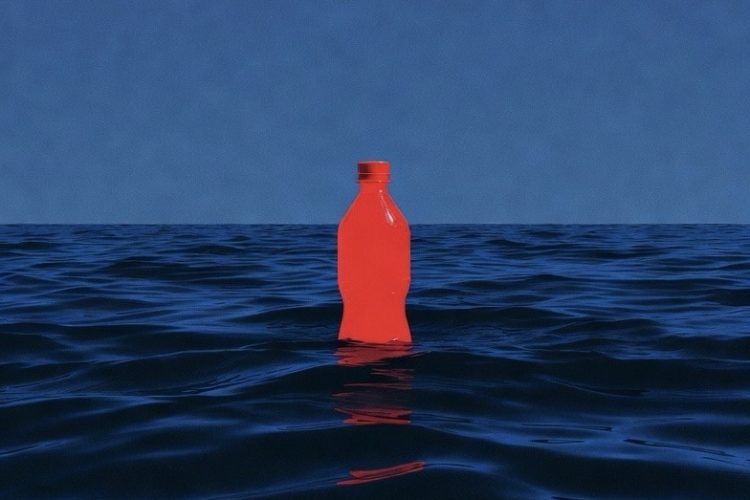
No, the exponential rise in global plastic production has not yet caused irreversible degradation to Earth’s ecosystems, but it has pushed us into a high-risk zone. Recent data shows global production reached around 445 million metric tons in 2025, generating massive waste that leaks into oceans, soil, and air, spreading microplastics everywhere. The 2025 Planetary Health Check shows seven of nine planetary boundaries breached, including novel entities (covering plastics and chemicals), meaning we’re outside the safe operating space with growing risks of permanent harm. Plastic pollution is poorly reversible due to slow breakdown and widespread distribution, making full cleanup nearly impossible in places like oceans, yet current levels haven’t triggered global tipping points. To preserve long-term planetary habitability, we must not cross deeper into danger: the critical threshold is reversing this boundary transgression by slashing virgin plastic production, boosting recycling, and stopping environmental leaks before accumulation causes irreversible systemic damage.
Related Questions, Words, Phrases
is plastic pollution irreversible yet | has plastic pollution reached irreversible levels | can earth’s ecosystems recover from plastic pollution | what is the point of no return for plastic waste | why is plastic pollution so hard to reverse | how close are we to irreversible damage from plastic production | planetary boundaries plastic pollution explained | critical threshold for plastic production and habitability | best ways to prevent irreversible plastic pollution | guide to reducing virgin plastic to save the planet | top solutions for reversing plastic pollution trends | are microplastics causing permanent ecosystem harm | how to stop plastic leaks before irreversible damage | latest on plastic pollution and planetary health 2026 | what happens if plastic production exceeds safe limits


