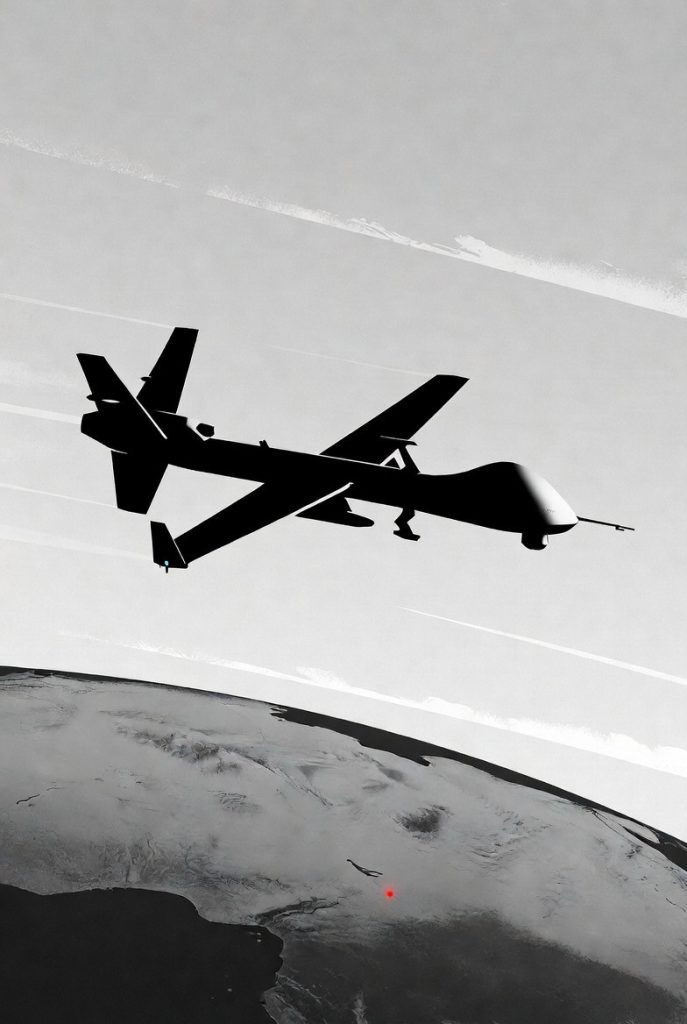
On December 25, 2025, US forces launched coordinated airstrikes on ISIS-linked militant camps in northwest Nigeria’s Sokoto State, killing several jihadists. President Trump described the precision strikes as targeting terrorists slaughtering Christians and protecting religious freedom. Nigeria’s government confirmed the joint operation based on intelligence sharing, stressing it safeguarded all citizens regardless of religion and rejected any sectarian framing. Conducted by U.S. Africa Command, the strikes hit bases in the Bauni forest used by groups like Lakurawa, ISWAP, and foreign fighters infiltrating from the Sahel. GPS-guided munitions, likely from MQ-9 Reaper drones, ensured no civilian casualties. Local residents reported explosions and debris but no injuries. The action disrupted hybrid threats blending terrorism with banditry, signaling stronger US-Nigeria military coordination against rising jihadist activity in the region.
Long Version
US Airstrikes Target ISIS-Linked Militants in Nigeria’s Sokoto State: A Christmas Day Blow to Terrorism
On December 25, 2025, US forces executed coordinated airstrikes on ISIS-linked camps in northwest Nigeria’s Sokoto State, marking a significant escalation in the fight against jihadists in the region. President Donald Trump framed the precision strikes as a direct response to terrorists slaughtering Christians, emphasizing the protection of religious freedom amid ongoing persecution. Nigeria’s foreign ministry confirmed the joint operation, highlighting intelligence sharing and military coordination while clarifying that the action aimed to safeguard all citizens, rejecting any sectarian violence narrative. This operation, conducted by U.S. Africa Command (AFRICOM), underscores the persistent threat from foreign fighters and Salafi-jihadists infiltrating from the Sahel region, blending with local bandit groups and Boko Haram splinters like ISWAP (Islamic State West Africa Province) and ISSP (Islamic State Sahel Province).
Background: The Rise of ISIS Affiliates in Northwest Nigeria
Northwest Nigeria has long been a hotspot for militants, with Sokoto State emerging as a key area for ISIS expansion. Groups like Lakurawa, often linked to ISWAP, have established bases in remote areas such as the Bauni forest near the Niger border, exploiting porous frontiers for Sahel infiltration. These jihadists, including foreign fighters, have fueled sectarian violence, targeting communities in acts that rights groups describe as warnings of Christian genocide. The region’s challenges are compounded by bandit groups engaging in kidnappings and attacks, often overlapping with terrorist networks.
Prior to the strikes, US intelligence had monitored increasing threats, with President Trump issuing public warnings about the persecution of Christians during the holiday season. This context aligns with broader patterns: ISWAP, a Boko Haram splinter, has conducted assaults across the Lake Chad Basin, while ISSP pushes southward from the Sahel, blending with local militants to form hybrid threats. Reports from organizations like Open Doors highlight Nigeria’s high ranking on global persecution lists, with thousands killed annually by these groups.
Details of the Christmas Day Strike
The airstrikes targeted two ISIS-linked camps in the Bauni forest, utilizing GPS-guided munitions for precision strikes. AFRICOM’s initial assessment confirmed multiple militants killed, with no civilian casualties reported, though locals in nearby Jabo village and Offa described debris sites and rattled homes from the impacts. Weapons involved likely included MQ-9 Reaper drones and Tomahawk missiles, launched in coordination with Nigerian forces following intelligence sharing.
President Trump announced the operation, labeling the targets as “ISIS terrorist scum” and tying it to his administration’s Department of War directives. The strikes were requested by Nigeria’s government, ensuring a joint operation that respected sovereignty while addressing the influx of foreign fighters. Videos from the U.S. Department of War showed the strikes lighting up the sky, with craters in open fields and metal fragments recovered for analysis. Locals reported no structural damage but expressed fear, with crowds gathering around cordoned sites amid dust and security presence.
Reactions and Immediate Aftermath
The operation drew mixed responses. In the US, it was hailed as a decisive blow, with Secretary of War Pete Hegseth indicating “more to come” in counterterrorism efforts. Trump emphasized the strikes’ role in halting jihadists’ holiday attacks on Christians, aligning with his earlier warnings. Nigerian officials, including President Bola Tinubu’s administration, affirmed the collaboration, noting it targeted foreign elements without sectarian bias.
Locally, villagers in Tangaza and Tambuwal areas reported confusion and panic, with some questioning the strikes’ impact. Figures like Asari Dokubo claimed minimal effect, asserting no terrorists were hit, though official battle damage assessments (BDA) contradict this, confirming disrupted enclaves. Internationally, outlets like Al Jazeera and Reuters noted the strikes’ precision and lack of civilian casualties, while highlighting sovereignty debates.
Post-strike, the US resumed intelligence flights over Nigeria’s northeast, focusing on Sambisa Forest and ISWAP targets, signaling ongoing military coordination to prevent resurgence. Surveillance operations have intensified, with reports of ISR (intelligence, surveillance, and reconnaissance) missions scanning for remaining threats in Borno State and the Lake Chad Basin. This follow-up aims to track any retaliatory movements by surviving militants or affiliated bandit groups.
Additional local accounts from Sokoto reveal fragments landing near a health center in Jabo, sparking fear but no injuries. Some residents described the area as peaceful with no prior militant activity, suggesting possible precision errors or spillover from forested camps. However, Nigerian security sources maintain the targets were confirmed terrorist enclaves used for planning attacks, with foreign fighters from the Sahel as primary occupants.
Broader Implications for Counterterrorism and Regional Stability
This Christmas Day strike highlights the evolving US role in Africa’s counterterrorism landscape, particularly against ISIS affiliates amid Sahel instability. By targeting foreign fighters and jihadists, the operation disrupts networks that blend terrorism with banditry, potentially reducing attacks on civilians regardless of religion. However, it raises questions about long-term sovereignty and the risk of escalation, with some analysts warning of retaliatory actions by surviving militants.
For Nigeria, the joint operation bolsters efforts against perennial threats, allowing focus on safer communities and economic recovery. Globally, it reinforces the need for intelligence sharing and precision tactics to minimize civilian casualties while addressing root causes like persecution and sectarian tensions. As surveillance intensifies over areas like Sambisa Forest, the strikes may deter further infiltration, offering a model for collaborative counterterrorism.
In the days following, updates indicate no immediate reprisals, but heightened alerts in the North-West and North-East suggest ongoing vigilance. The operation’s success in neutralizing key figures could weaken ISWAP’s operational capacity, though experts caution that underlying issues like poverty, governance gaps, and herder-farmer conflicts must be addressed to prevent regeneration of such groups.
In summary, the December 25 airstrikes represent a targeted, intelligence-driven response to a multifaceted threat, balancing immediate action with strategic partnerships. While debates persist, the operation’s focus on eliminating militants without collateral damage positions it as a pivotal step toward regional security.