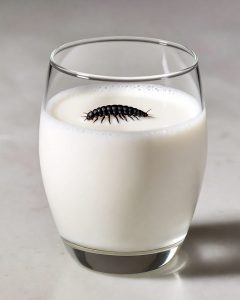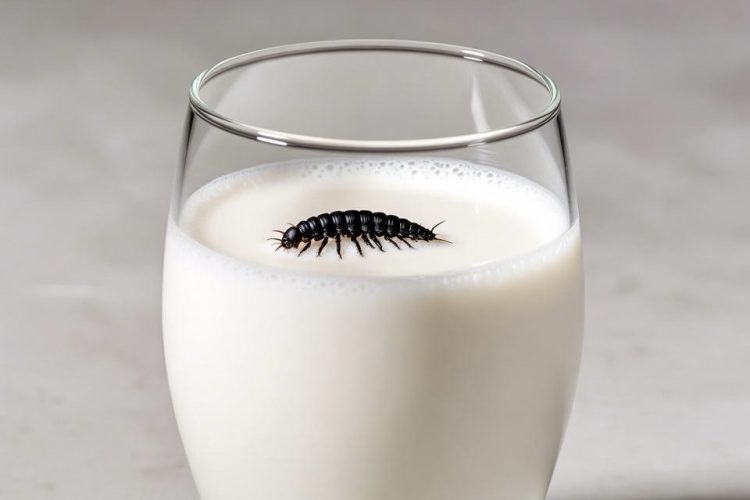
EntoMilk is a dairy alternative made from black soldier fly larvae, often called insect milk, bug milk, or maggot milk. It’s lactose-free and gluten-free, with high protein levels—up to five times more than cow’s milk—plus calcium, iron, zinc, fats, and essential amino acids. Production uses larvae fed on organic waste like food scraps or manure, making it more water-efficient and lower in greenhouse gases than traditional dairy farming. Originating in South Africa, it was used in products like insect ice cream, but the company behind it is now defunct. While promoted as a sustainable protein source, the gross factor of drinking something derived from maggots makes it unappealing to most people, and consumer acceptance remains very low.
Long Version
EntoMilk: A Dairy Alternative Derived from Black Soldier Fly Larvae
In a time when people are exploring various sustainable food options, EntoMilk stands out as a dairy alternative made from black soldier fly larvae. This insect milk, sometimes called bug milk or maggot milk, involves entomophagy, which is the consumption of edible insects. It’s presented as a lactose-free and gluten-free option for those looking for alternative protein sources, though the idea of drinking something from larvae can be off-putting to many.
The Origins and Production of EntoMilk
EntoMilk originated from efforts in South Africa to create this environmentally friendly substitute. The production starts with black soldier fly larvae, fed on organic matter like food waste, manure, or agricultural residues. These larvae, from the black soldier fly species, convert these inputs into biomass through insect farming. Once grown, the larvae are harvested, processed, and turned into a liquid that resembles dairy milk in consistency.
This process is noted for being water-efficient and energy-efficient compared to traditional dairy farming, which uses more resources. However, the concept of farming insects for human consumption, especially turning them into a milk-like product, often raises concerns about hygiene and appeal. Reports indicate that the initiative behind EntoMilk has since become defunct, limiting its availability and development.
Nutritional Profile: Protein and Minerals from Larvae
EntoMilk’s nutritional makeup includes high protein levels, potentially up to five times that of cow’s milk, with crude protein around 50% on a dry basis. This protein-rich content comes from the black soldier fly larvae and includes essential amino acids. It also provides minerals like calcium, iron, and zinc, along with fats, making it nutrient-rich without lactose.
As a gluten-free choice, it might suit certain diets, but the source—maggot-derived—can make it unappealing. Studies on black soldier fly larvae show they can yield these nutrients when fed common organic substrates, yet consumer acceptance remains low due to the gross factor associated with insects.
Environmental and Sustainability Considerations
EntoMilk was promoted for its potential as a sustainable food, addressing issues with traditional dairy like high water use and emissions. Using black soldier fly larvae that feed on organic matter, the production aimed to reduce land needs and produce low greenhouse gases, with estimates of lower CO2 equivalents than livestock.
This method could help with waste management by converting scraps into products, but challenges include scaling up insect farming without unintended environmental impacts. While edible insects are part of broader discussions on sustainable protein sources, the practicality for widespread use in human food remains questionable, especially given the defunct status of specific products like EntoMilk.
Applications and Potential Products
EntoMilk was used in various insect-based products, including insect ice cream made with simple ingredients like honey and flavorings. Such items were tested at pop-up events and cafes, where people could try the unique flavors, though reactions often highlighted the unusual, larvae-based origin.
It could serve as a base for drinks or baked goods, promoting entomophagy, but the maggot milk aspect tends to overshadow its versatility. With the product no longer in active development, these applications are more theoretical now, serving as examples of how bug milk might fit into diets—if one can get past the initial revulsion.
Challenges and Limitations
EntoMilk encounters significant barriers, primarily the gross factor linked to maggot milk from black soldier fly larvae, which discourages many from trying it. Perceptions of insects as unclean or unappetizing persist, and regulatory differences across regions complicate distribution. Scaling insect farming demands careful management to maintain quality and safety.
Additionally, misinformation, such as false associations with figures like Bill Gates, has circulated, but fact checks confirm no involvement. Ongoing research into black soldier fly larvae focuses more on animal feed and waste conversion rather than human consumption, indicating limited progress for products like EntoMilk. Health concerns, including potential allergens or contaminants from feed sources, also warrant caution.
Conclusion: Weighing the Idea of EntoMilk
EntoMilk represents an attempt to use black soldier fly larvae for a lactose-free, gluten-free dairy alternative with protein, calcium, iron, zinc, fats, and amino acids. Its production was designed to be water-efficient, energy-efficient, and low-emission, potentially aiding sustainability. However, the gross nature of deriving milk from maggots, combined with its defunct status, makes it more of a curiosity than a viable option. For those considering alternative proteins, it highlights the challenges of embracing edible insects in the future of food, where acceptance is far from universal.