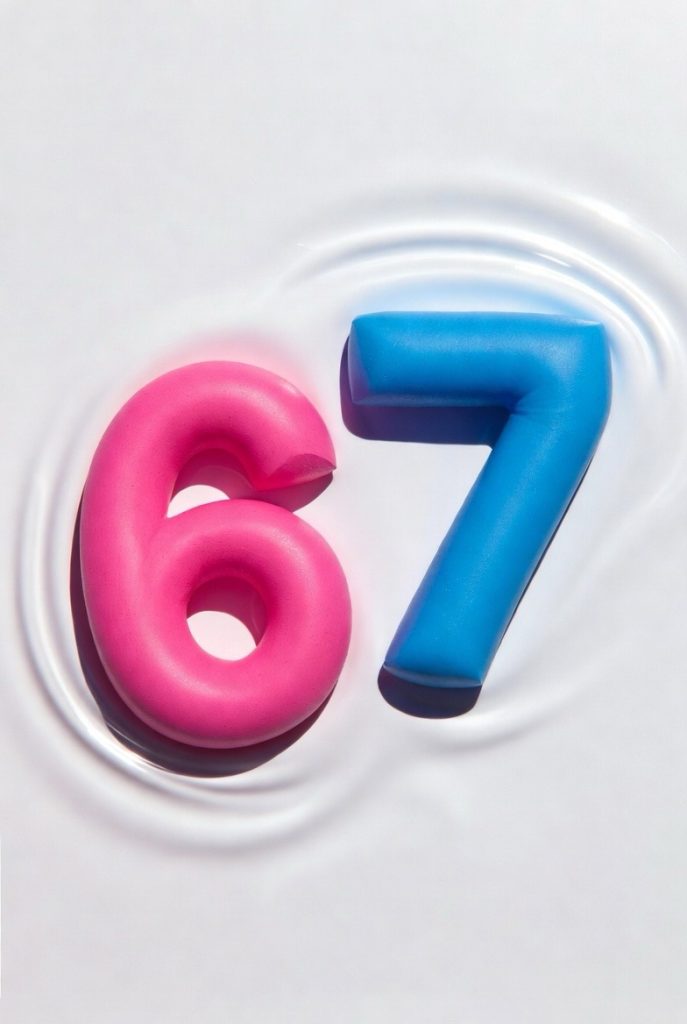
The 6-7 meme, born from rapper Skrilla’s 2025 track “Doot Doot (6 7)” and boosted by clips of NBA star LaMelo Ball, has become a major Gen Alpha trend. Kids repeat “six seven” with playful hand motions, spreading it across schools, homes, and social media. Teachers report constant classroom disruptions, and some districts even restrict its use. Parents share similar frustration, highlighted by Vice President JD Vance’s joke about banning the numbers after his son shouted them during church. The meme’s reach now includes community jokes and business reactions, showing how fast online slang can shape real life.
Long Version
The 6-7 Meme: From Viral Slang to Parental Frustration and Cultural Phenomenon
In the ever-evolving landscape of internet culture, few trends have sparked as much widespread popularity and shared frustration as the 6-7 meme. This seemingly nonsensical slang, often shouted as “six seven” or simply “67,” has infiltrated classrooms, playgrounds, family gatherings, and even church services, leaving adults baffled and children obsessed. Recently, Vice President JD Vance brought national attention to the phenomenon when he jokingly proposed a narrow exception to the First Amendment to ban these numbers forever, after his 5-year-old son went absolutely nuts repeating it nonstop during a mass service. While no one seriously wants a ban—it’s all humor rooted in collective exasperation—the incident highlights the meme’s role as a quintessential example of Gen Alpha brainrot, where viral trends dominate young minds with little regard for context or meaning.
The Origin Story: From Rapper Skrilla to Basketball Stardom
The 6-7 meme traces its roots to rapper Skrilla’s 2025 song “Doot Doot (6 7),” a track that features the repetitive chant “doot doot 6 7” in a call-and-response style. The phrase originally referenced a six-foot-seven basketball player, quickly linking it to NBA star LaMelo Ball, whose height matches the description and whose highlight reels amplified its spread through viral videos. Fans began incorporating hand gestures—a juggling motion mimicking ball-handling—turning it into an interactive ritual that kids perform with unbridled enthusiasm.
Unlike older viral trends with clear narratives, such as those from Gen Z’s early online era, 6-7 lacks a fixed meaning. It’s pure internet fame, a distraction born from remixes, parodies, and compilations that celebrate fake flexes and unearned confidence. This ambiguity has fueled its rapid ascent, making it a staple of elementary-age slang and earning it the title of Word of the Year for 2025. What started as a niche nod to sports and music has evolved into a global phenomenon, with children worldwide adopting it as a form of playful disruption. Recent reports indicate the trend’s persistence into late 2025, with no signs of fading as new generations of kids discover and perpetuate it.
How the Meme Spread: Gen Alpha and Internet Culture
The meme’s widespread popularity owes much to short-form video platforms, where clips propelled it into the spotlight among Gen Alpha—the cohort of children born after 2010—and even some Gen Z users. Videos featuring LaMelo Ball’s on-court antics, paired with Skrilla’s beat, inspired users to create content involving exaggerated hand gestures and call-and-response chants. Soon, it transcended basketball, appearing in everyday scenarios like fake tickets for imaginary events or ticketing systems in games, where shouting “6-7” became a humorous punchline.
This brainrot trend exemplifies modern internet culture: quick, repetitive, and often devoid of deeper significance, yet irresistibly engaging for young audiences. Its appeal lies in the simplicity—kids repeat “six seven” or “67” upon hearing related numbers, turning mundane moments into chaotic fun. From playgrounds to family dinners, the meme’s infectious nature has led to its integration into daily life, with some viewing it as harmless humor and others as a symbol of declining attention spans in an era of constant digital stimulation. As of December 2025, the trend continues to evolve, incorporating new variations that keep it relevant among school-aged children.
Impact on Education: Distractions in Schools and Teacher Crackdowns
In the realm of education, the 6-7 meme has become a notorious distraction, prompting schools and teachers to take action against its use in classrooms. Elementary-age students, particularly those in Gen Alpha, have turned it into a staple of recess and class time, leading to disruptions during lessons. Teachers report students performing the juggling motion and shouting the phrase at inopportune moments, such as during math problems involving the numbers or even Bible readings in religious schools.
One prominent voice in this frustration is Adria Laplander, a Michigan teacher with 20 years of experience, who has banned the slang outright, imposing consequences like point deductions or explanatory essays for offenders. “I’ve dealt with all sorts of slang—nothing has driven me crazier than this one,” Laplander shared in a widely circulated video, highlighting how the meme’s nonstop repetition affects focus and learning. Similar sentiments echo across the country, with educators labeling it a plague on concentration.
In a lighter but telling response, the Indiana sheriff’s department in Tippecanoe County created a parody video where officers handed out fake tickets to youngsters caught saying “6-7,” jokingly declaring it against the law unless used for math or ages. The initiative, aimed at keeping parents sane, gained significant attention, underscoring the meme’s reach beyond schools into community efforts to curb its chaos. Some school districts have even implemented formal policies to limit its use, reflecting broader concerns about digital influences on child behavior.
Broader Societal Ripples: From Fast Food to Politics
The meme’s influence extends to unexpected sectors, like the fast-food industry. West Coast chain In-N-Out Burger removed order number 67 from its system approximately a month ago after swarms of teens caused disruptions by shouting the phrase upon hearing it called. An employee at a Los Angeles location confirmed the change was made to maintain order during busy hours, illustrating how viral trends can disrupt routine business operations.
Politically, JD Vance’s involvement added a layer of national discourse. As Vice President, his lighthearted call for banning the numbers tied the meme to free speech debates, emphasizing how even innocuous trends can spark conversations about the First Amendment. Vance’s family story—his son Vivek’s outburst during church over page 66-67 in the missal—resonated with parents nationwide, blending politics with everyday parenting challenges. He described the incident in detail, noting how the Bible readings triggered the repeated chants, leading to his humorous suggestion of a constitutional exception.
Parenting and Family Dynamics: Shared Frustration Amid the Humor
At its core, the 6-7 meme exposes the trials of modern parenting in an age of internet-driven distractions. Vance’s anecdote captures this perfectly: a quiet church mass derailed by a child’s relentless chanting, leaving adults to grapple with trends they don’t fully understand. Many parents echo this frustration, sharing stories of nonstop repetition at home, during family outings, or even in sacred spaces like Bible readings.
Yet, the response is overwhelmingly humorous rather than hostile. Vance’s proposal to ban these numbers was tongue-in-cheek, acknowledging the meme’s harmless nature while venting collective exasperation. It underscores a key insight: viral trends like this strengthen family bonds through shared laughter, even as they test patience. For children, it’s a form of self-expression; for adults, a reminder of generational gaps in humor and culture. Experts suggest parents address such trends by discussing digital literacy, helping kids understand the balance between online fun and real-world focus.
Public Reactions and Lasting Insights
Reactions to Vance’s joke have been mixed but largely supportive among those tired of the trend. Online discussions buzzed with agreement, from parents recounting similar incidents to educators praising the spotlight on classroom distractions. Critics, however, see it as overblown, arguing that such slang is fleeting and part of healthy child development. Some have even tied it to broader cultural shifts, like the rise of meme-based economies in cryptocurrency, where “67” inspired temporary market surges.
Ultimately, the 6-7 meme offers valuable insights into contemporary society: the power of online platforms in shaping youth culture, the challenges of balancing free speech with order in education, and the enduring humor in parental frustration. As a complete resource on this viral trend, it’s clear that while 6-7 may fade, its legacy as a marker of Gen Alpha’s internet fame will endure, reminding us how quickly nonsense can become a cultural touchstone. Ongoing developments suggest the meme could inspire similar trends, prompting continued discussions on managing digital influences in daily life.