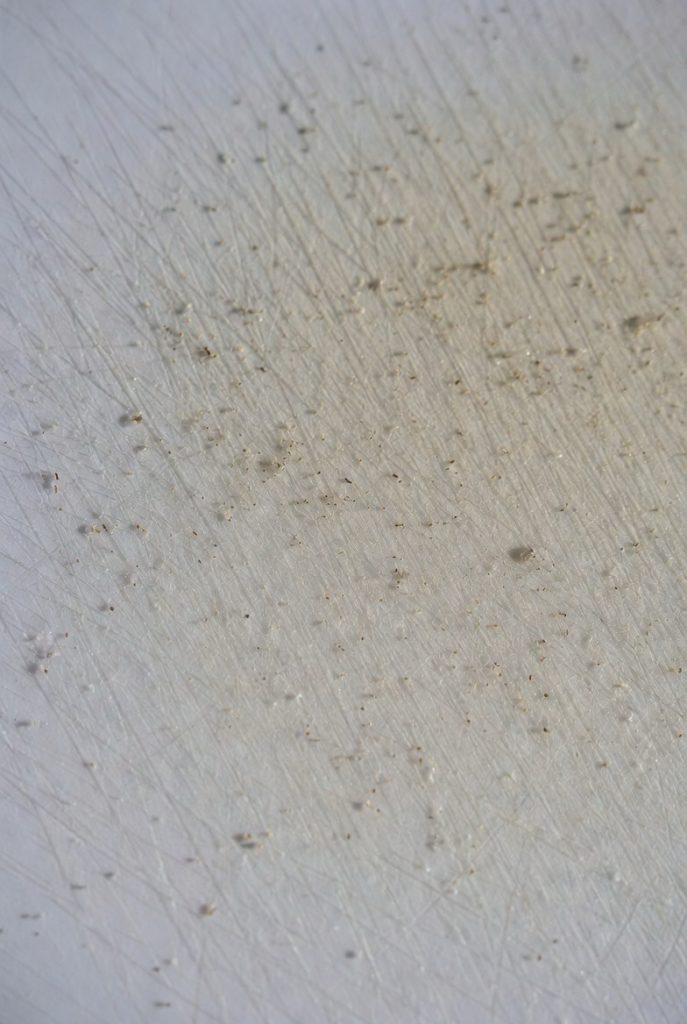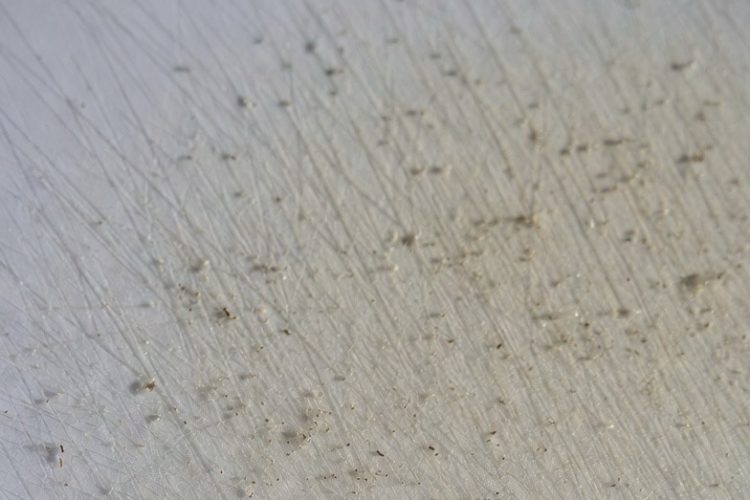
Plastic cutting boards, common in many kitchens, release microplastics and harmful chemicals like BPA and phthalates as they wear down from use. These particles, especially when boards are scratched, can contaminate food and act as endocrine disruptors, affecting hormones, fertility, and metabolism. Studies show that microplastics from kitchen boards may cause inflammation, gut issues, and systemic health problems, including cardiovascular disease and immune effects. To reduce risks, consider switching to alternatives like wood, bamboo, or stone boards, which don’t release harmful particles. Regularly replace old plastic boards, avoid heat exposure, and clean thoroughly to minimize contamination.
Long Version
The Hidden Hazards of Plastic Cutting Boards: Microplastics, Endocrine Disruptors, and Health Risks
In everyday kitchens, plastic cutting boards are a staple for chopping vegetables, meats, and other foods. However, as these boards wear down from repeated use, they release microplastics and chemicals such as BPA and phthalates into food, contributing to human exposure through ingestion. This process, driven by abrasion from knife marks and scratches, sheds significant amounts of particles that can act as endocrine disruptors, interfering with hormones and potentially impacting fertility. Recent research highlights plastic chopping boards as an overlooked source of food contamination, with implications for chronic exposure and broader health effects like inflammation and oxidative stress.
Understanding Microplastics and Nanoplastics
Microplastics (MPs) are tiny plastic particles less than 5mm in size, often spherical-shaped and under 100 μm, while nanoplastics (NPs) are even smaller, below 1 μm. These particles originate from the breakdown of larger plastics, including those in kitchen utensils like polyethylene (PE) and polypropylene (PP) cutting boards. MPs and NPs can carry additives like plasticizers, metals such as cadmium and antimony, and volatile organic compounds (VOCs), exacerbating their toxicity. Ingested microplastics dominate human exposure pathways, leading to bioaccumulation in tissues and potential transfer through the food chain.
How Plastic Cutting Boards Release Contaminants
Plastic cutting boards, typically made from high-density polyethylene (HDPE), polyethylene (PE), polypropylene (PP), or other thermoplastics like polytetrafluoroethylene (PTFE), polyamide (PA), polyurethane (PU), polyethylene terephthalate (PET), polymethyl methacrylate (PMMA), polyformaldehyde (POM), polycarbonate (PC), polyether sulfone (PES), chlorinated polyethylene (CPE), or thermoplastic polyurethane (TPU), degrade under mechanical stress. Knife marks and scratches from chopping cause abrasion, releasing MPs into food during preparation. Studies show that a single cut on a new PP board can emit 100–300 MPs, with emissions increasing as the board ages. Chopping styles influence release rates; for instance, cutting vegetables like carrots on PE boards amplifies shedding compared to bare boards. Particle size distributions reveal dominance of small, spherical-shaped microplastics, detected via methods like Fourier-transform infrared spectroscopy (FTIR).
Alongside MPs, chemicals leach out, including bisphenols like BPA, phthalates, and proprietary additives. These endocrine-disrupting chemicals (EDCs) migrate through leaching, especially under heat or repeated use, contributing to trace contamination in meals. Kitchen utensils, coated non-stick pans, and disposable utensils exacerbate this, turning food preparation into a source of pollution.
Key Studies on Microplastic Shedding
Research from 2023 to 2025 underscores the scale of the issue. A 2023 study estimated per-person annual exposure at 7.4–50.7 grams of MPs from PE boards and 49.5 grams from PP boards, translating to 14.5–71.9 million PE particles or 79.4 million PP particles yearly. Another 2024 analysis confirmed MPs in placental tissues, human organs, blood, and feces, linking them to gut, endocrine, and metabolic disruptions. A 2025 study mimicked real-world exposure by feeding mice MPs from actual cutting boards, observing no immediate cell toxicity in mouse fibroblast cells over 72 hours but noting long-term risks. Further, a 2024 systematic review highlighted MPs from kitchen utensils causing intestinal barrier damage and microbial dysbiosis in animal models. Inhaled and ingested MPs were also tied to arterial plaques and cardiovascular risk in recent findings.
To enhance understanding, it’s worth noting that these studies often use advanced techniques like FTIR to quantify particle shape, size, and surface area, revealing how smaller particles (under 100 μm) are more readily absorbed by the body, increasing bioaccumulation risks over time.
Health Effects: From Hormonal Interference to Systemic Impacts
As endocrine disruptors, MPs and associated chemicals like BPA and phthalates mimic or block hormones, leading to hormonal imbalances and reproductive effects. Chronic exposure correlates with decreased fertility, poor sperm quality, and declining U.S. fertility rates. Phthalates, in particular, disrupt the neuroendocrine system, altering sex hormone synthesis and causing developmental effects in fetuses. Beyond reproduction, ingestion triggers inflammation, oxidative stress, and gut microbiota alterations, fostering microbial community shifts in the cecum and gut metabolome. This can exacerbate gastrointestinal diseases like inflammatory bowel disease (IBD) and irritable bowel syndrome (IBS).
Studies link MPs to immune effects, DNA damage, and gene activity changes, potentially raising risks for Alzheimer’s disease (AD), Parkinson’s disease (PD), and metabolic disorders. Human exposure has been associated with cardiovascular disease and metabolic issues, with particles detected in blood and organs. While preliminary toxicity tests show no acute effects on cells, long-term bioaccumulation raises concerns for systemic toxicity. Enhancing this section, emerging data suggests that combined exposure to MPs and EDCs may amplify effects through synergistic interactions, where particles act as carriers for chemicals, deepening penetration into cellular structures and heightening oxidative stress responses.
Broader Context and Implications
Plastic cutting boards contribute to widespread plastics pollution, with emissions from kitchen sources adding to overall human exposure via food contamination. Particles from boards have been found in meats, fish, and vegetables processed commercially, amplifying risks through the supply chain. This ties into larger issues like inhaled microplastics from dust and broader environmental toxicity, emphasizing the need to address chronic exposure pathways. To further enhance, regulatory bodies are increasingly scrutinizing kitchen plastics, with some regions phasing out certain additives like BPA in food-contact materials, though global standards remain inconsistent, leaving consumers to navigate varying levels of protection.
Safer Alternatives to Minimize Exposure
To avoid microplastic shedding, switch to non-plastic options. Wooden boards, including bamboo and wheat straw composites, offer natural antimicrobial properties and do not release MPs, though they require sealing to prevent bacterial growth. Glass, marble, and natural stone boards are durable and easy to clean but can dull knives faster. Composite materials like paper-based options provide knife-friendly, dishwasher-safe alternatives without plastic additives. For those retaining plastic boards, replace them when heavily scratched, wash thoroughly after use, and minimize heat exposure to reduce leaching. Enhancing practicality, consider hybrid boards that combine wood with resin edges for added durability, balancing safety with longevity in high-use kitchens.
Practical Steps for Reducing Risks
Monitor board condition for deep scratches, which harbor particles and bacteria. Opt for color-coded boards to prevent cross-contamination, and consider wooden alternatives for raw proteins. Broader kitchen changes, like using non-plastic utensils and avoiding microwaving in plastics, further curb exposure. Regular cleaning and dust removal can limit airborne MPs settling on food. To enhance, incorporate habits like using separate boards for different food types (e.g., one for produce, another for meats) to minimize cross-exposure, and periodically sanitize with natural agents like vinegar to avoid chemical residues that could interact with plastics.
In summary, while convenient, plastic cutting boards pose tangible risks through microplastic and chemical release, backed by mounting evidence of health impacts. Transitioning to safer alternatives and mindful practices can significantly mitigate these concerns, promoting healthier food preparation.