Tag: health

Blog

2026 AbLecs Breakthrough: Unmask Cancer for Immunotherapy

In 2026, MIT and Stanford researchers introduced AbLecs—antibody-lectin chimeras that remove the sugar coating (glycans, including sialic acids) cancer cells use to hide from the immune system. By blocking these glycans from binding to Siglec receptors, AbLecs disable glyco-immune checkpoints, exposing tumor-associated antigens and enabling immune cells like macrophages to recognize and destroy tumors. Preclinical […]

Blog

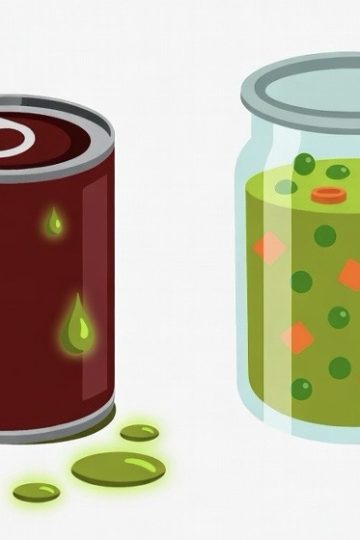
Avoid BPA in Canned Soup: Health Risks & BPA-Free Tips

In 2011, a study found that eating canned soup daily spiked urinary BPA levels by 1,221%. Bisphenol A (BPA) is a chemical once widely used in can linings to prevent corrosion; it acts as an endocrine disruptor that can interfere with hormones and has been linked to higher risks of obesity, type 2 diabetes, reproductive […]

Blog

Nightmares Deadlier Than Smoking? 2025 Study

Frequent nightmares, especially weekly ones, are linked to a tripled risk of early death before age 70, according to a major 2025 study. This makes them a stronger predictor of premature mortality than smoking or obesity. The research, involving over 183,000 adults and children, found that frequent nightmares accelerate biological aging by shortening telomeres and […]

Blog

Dangers of Synthetic Leggings: Health Risks

Synthetic leggings, made from petroleum-based plastics, pose serious health and environmental risks. They often contain endocrine disruptors like BPA, PFAS, and phthalates that leach into skin through sweat, potentially causing hormone disruption, reproductive issues, immune problems, and inflammation. Washing them releases millions of microplastics that pollute oceans and enter the food chain. In 2026, safer […]

Blog

Left Side Sleep: Cut Reflux 50%, Boost Digestion

Sleeping on your left side—called the left lateral decubitus position—is widely supported by research as the best way to improve digestion and reduce acid reflux. Gravity keeps the stomach below the esophagus, helping the lower esophageal sphincter stay closed and cutting reflux episodes by up to 50%. This lowers heartburn, nocturnal GERD symptoms, and esophageal […]

Blog

Cigarette vs Hot Dog: 20 vs 36 Min Life Loss

Smoking one cigarette shortens life expectancy by about 20 minutes, according to a 2024 University College London study, while eating a single hot dog cuts healthy life expectancy by around 36 minutes, per University of Michigan research. Both habits raise risks of cancer, heart disease, and premature death through carcinogens—tobacco toxins in cigarettes and nitrosamines […]

Q&A

Does Cracking Knuckles Cause Arthritis?

Cracking your knuckles doesn’t cause arthritis, a common myth debunked by science. The popping sound comes from gas bubbles (mostly nitrogen) in the synovial fluid bursting in the joint capsule when you stretch the metacarpophalangeal joints—a process called tribonucleation. Studies, including long-term research on habitual knuckle crackers, show no link to osteoarthritis or rheumatoid arthritis, […]

Blog

Why Biological Immortality Is Impossible

Biological immortality remains impossible due to fundamental limits in human biology. The Hayflick limit restricts normal body cells to about 50-70 divisions before they enter replicative senescence and stop dividing, acting as a built-in molecular clock. This is driven by telomere shortening—protective caps on chromosomes that erode with each cell division because of the end […]

Blog

Top Anti-Inflammatory Foods to Fight Inflammation

Chronic inflammation drives health issues like heart disease, arthritis, diabetes, and age-related decline (inflammaging) by raising markers such as CRP and IL-6 while increasing oxidative stress. An anti-inflammatory diet helps fight this by focusing on whole, plant-based foods rich in antioxidants, polyphenols, omega-3s (EPA, DHA, ALA), and key compounds like curcumin (turmeric), quercetin (onions, apples), […]

Blog

Microplastics in Every Human Testicle Linked to Low Sperm Count

Microplastics, tiny plastic particles from widespread pollution, have been found in 100% of studied human testes, with high levels of polyethylene and polyvinyl chloride linked to lower sperm counts, hormonal disruption, and tissue inflammation. Research shows these contaminants build up in testicular tissue through ingestion of contaminated food and water or inhalation of airborne particles, […]