
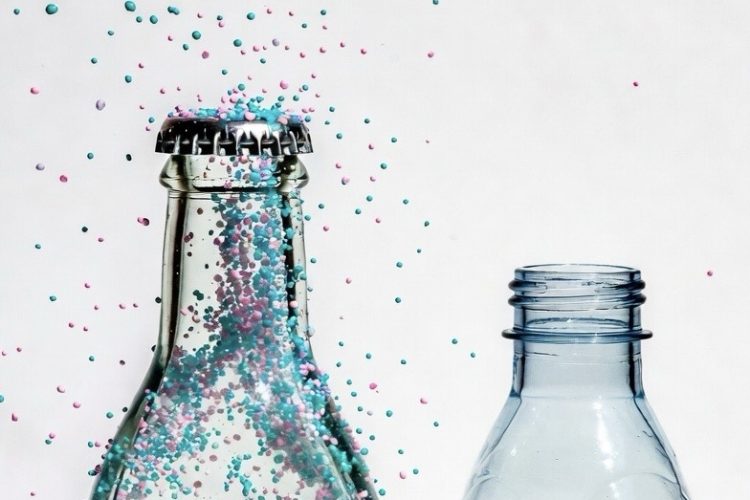
A 2025 study by France’s food safety agency ANSES found that many beverages in glass bottles contain far more microplastics than those in plastic bottles or cans—often 5 to 50 times higher. The main source is the plastic-based paint on metal caps used for glass bottles, which sheds tiny particles due to scratches from friction during storage, transport, or handling. Sodas, lemonades, iced teas, and beers in glass averaged around 100 particles per liter, while plastic packaging had much lower levels. Plain water showed a smaller gap, with 4.5 particles per liter in glass versus 1.6 in plastic, and wine had very low contamination overall. This flips the common assumption that glass is cleaner, though glass itself doesn’t leach plastics like PET bottles can. Manufacturers could reduce this by improving cleaning processes or redesigning caps.

Related Questions, Words, Phrases
do glass bottles shed more microplastics than plastic | do glass bottles have more microplastics than plastic bottles | why do glass bottles contain more microplastics than plastic | how many microplastics are in glass bottled drinks compared to plastic | are glass bottles really better than plastic for microplastics | glass vs plastic bottles microplastics which is worse | do metal caps on glass bottles release microplastics | why glass bottles might have higher microplastic contamination | best bottle type to avoid microplastics glass or plastic | microplastics in glass bottled beer vs plastic soda | how to reduce microplastics from glass bottle caps | what causes more microplastics in glass bottles than plastic | is glass safer than plastic for microplastics 2025 study | top ways beverages get microplastics glass vs plastic packaging | guide to choosing bottles with lowest microplastics levels


