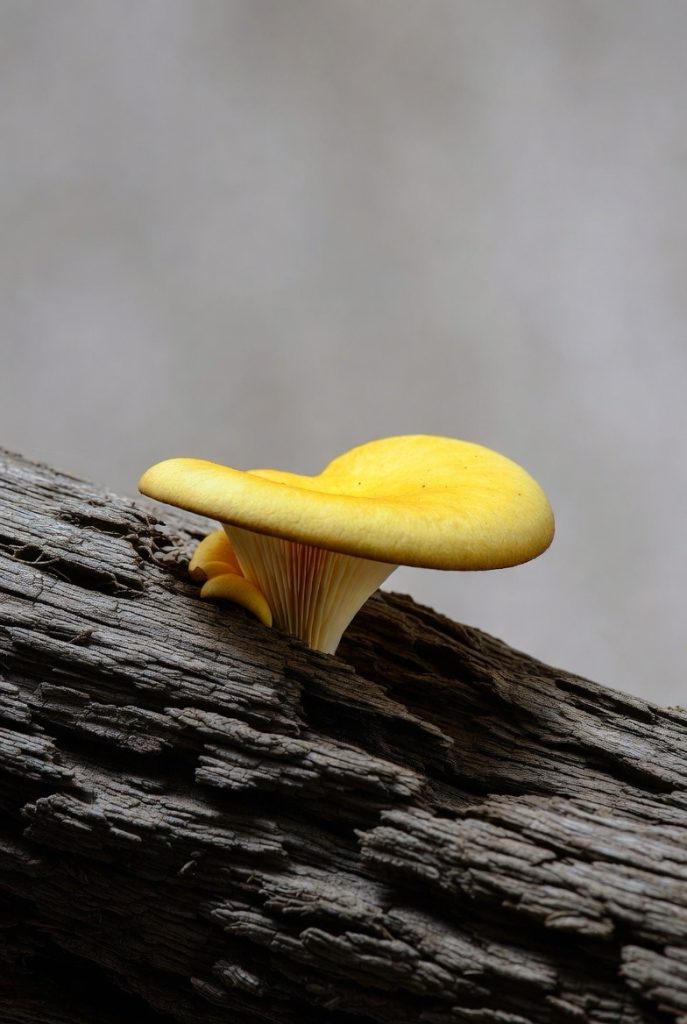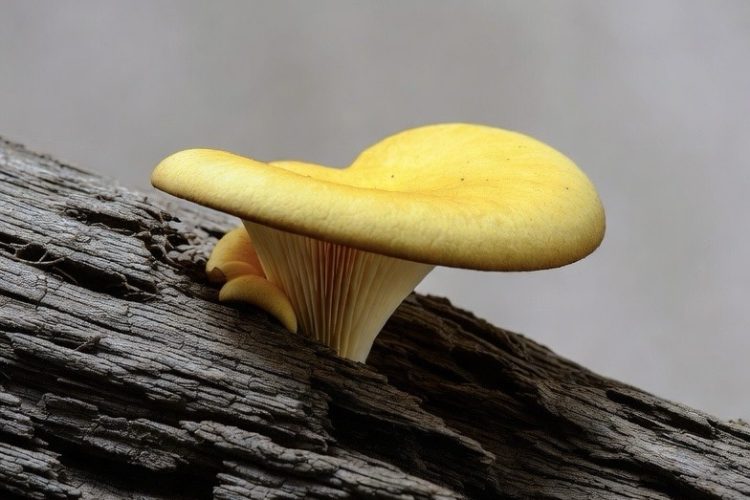
The golden oyster mushroom (Pleurotus citrinopileatus) is a fast-growing species spread through cultivation that has become invasive in North America and parts of Europe. Escaping from grow kits, it colonizes hardwoods quickly and outcompetes native fungi, reducing local species richness and disrupting nutrient cycling. Its rapid spore production and ability to thrive in disturbed, warming environments allow it to expand its range. Researchers warn that its spread threatens forest biodiversity and urge careful disposal of cultivation materials and strict monitoring to limit further ecological impact.
Long Version
The Invasive Golden Oyster Mushroom: Disrupting Native Fungal Communities in Forest Ecosystems
The golden oyster mushroom, scientifically known as Pleurotus citrinopileatus, has captured the attention of culinary enthusiasts and home growers alike for its vibrant yellow basidiocarps and nutty flavor. Native to hardwood forests in eastern Russia, northern China, and Japan, this white-rot fungus is a proficient wood decay fungus that breaks down lignin in trees, aiding in decomposition and nutrient cycling. However, its introduction to new regions through mushroom cultivation has raised alarms, as it emerges as an invasive species capable of outcompeting and displacing native fungi, leading to potential ecosystem disruption and biodiversity loss in forest ecosystems.
Origins and Biological Traits of the Golden Oyster Mushroom
Pleurotus citrinopileatus thrives primarily on hardwoods such as elm trees, where it produces clusters of bright yellow fruiting bodies with white spores. As a white-rot fungus, it excels at degrading complex wood components, contrasting with brown rot fungi that primarily target cellulose and leave lignin intact. This decomposition process plays a crucial role in carbon storage and nutrient cycling within forest ecosystems, releasing carbon dioxide at higher rates than brown rot fungi and influencing soil health. Its aggressive growth allows it to colonize decaying wood rapidly, a trait that, while beneficial in controlled settings, contributes to microbial invasions when unchecked.
In its native range, the golden oyster mushroom coexists harmoniously with local fungal communities, but outside Asia, its range expansion has been facilitated by human activities. Climate change and habitat destruction further exacerbate this spread, creating disturbed environments where invasive species like this can establish dominance.
The Role of Cultivation in Its Invasive Spread
The popularity of mushroom cultivation, particularly through accessible mushroom-growing kits, has inadvertently propelled Pleurotus citrinopileatus into wild habitats. These kits, sold widely for home use, allow enthusiasts to grow the fungus indoors or in gardens, but escape cultivation occurs when spores or mycelium are discarded outdoors or accidentally released. In regions like Florida, Michigan, Wisconsin, North Carolina, and beyond, cultivated strains have established wild populations, with sightings first noted in the 2010s and continuing to increase through 2025. Reports have documented this progression, revealing a southward and westward march that threatens forests across North America, including the Midwest, Eastern regions, and into Canada. It has also been identified as invasive in areas like Switzerland.
Once released, the mushroom’s prolific spore production—billions of white spores per basidiocarp—enables rapid colonization. This has led to its classification as an invasive species in areas far from its origin, where it invades forest ecosystems already stressed by habitat destruction.
Ecological Impacts: Outcompeting and Displacing Native Species
The core concern with Pleurotus citrinopileatus lies in its ability to outcompete and displace native species within fungal communities. Recent research, including studies from 2025, shows that trees colonized by golden oyster mushrooms host significantly fewer native fungi compared to unaffected trees, with reductions in species richness by up to 50% in some cases. This dominance directly contributes to biodiversity loss, as the invasive fungus monopolizes resources on decaying wood, potentially altering the entire fungal community composition.
In forest ecosystems, fungi are essential for decomposition, breaking down organic matter and facilitating nutrient cycling that supports plant growth and carbon storage. When golden oysters dominate, they alter these processes, potentially accelerating carbon release and disrupting the balance of local fungal communities. Native oyster mushrooms and other wood decay fungi, including brown rot fungi, face displacement, leading to ecosystem disruption that could cascade to affect insects, plants, and soil microbes. Microbial invasions like this are increasingly documented, and the golden oyster’s case highlights how global trade and cultivation can introduce threats to fragile habitats, with new evidence suggesting long-term slashes in forest biodiversity.
Monitoring and Research Efforts
Ongoing monitoring has tracked the golden oyster’s range expansion, aiding scientists in understanding invasion patterns. Advanced methods such as metabarcoding provide detailed insights into fungal community composition, revealing shifts in species richness where the invasive mushroom is present. Studies from mid-2025 emphasize that climate change amplifies these issues, as warmer temperatures and altered precipitation patterns favor the golden oyster’s establishment in new areas. Habitat destruction from logging or development creates openings for such invasives, compounding the risks to native species.
Broader Implications and Management Strategies
The invasion of Pleurotus citrinopileatus underscores the dangers of unregulated mushroom cultivation and the need for caution with mushroom-growing kits. Experts, including those from state departments of natural resources and environmental agencies, recommend proper disposal of cultivation materials to prevent escape cultivation and urge reporting sightings to relevant authorities. For commercial growers, adding warnings about the invasive potential and advising indoor-only cultivation can help mitigate spread. In states like Michigan and Florida, where the mushroom is cultivated and sold, scientists are urging caution to avoid further introductions into wild areas.
In the context of ongoing climate change and habitat destruction, preventing further microbial invasions requires integrated approaches, including public education, stricter regulations on exotic species trade, and research into resistant native fungal communities. By addressing these factors, we can mitigate biodiversity loss and preserve the intricate balance of forest ecosystems, ensuring that nutrient cycling, decomposition, and carbon storage continue to support diverse life forms.
This emerging threat serves as a reminder that even seemingly benign introductions can lead to profound ecosystem disruption, emphasizing the importance of vigilance in our interactions with nature.