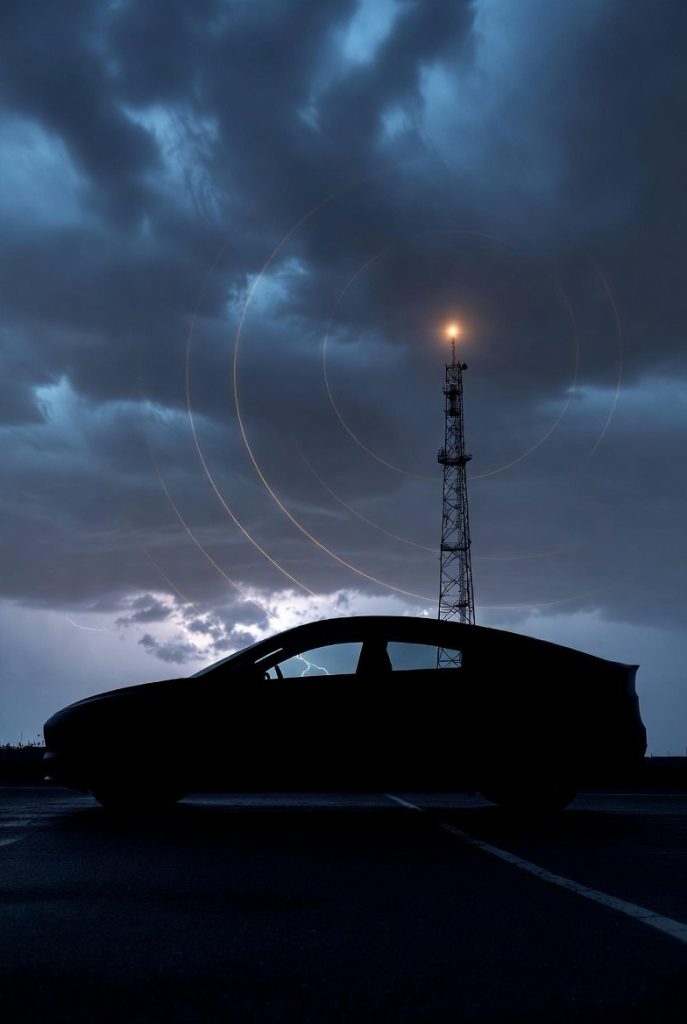
As electric vehicles surge in popularity by 2026, AM radio in cars faces growing threats from EV AM radio interference caused by electric motors and inverters, prompting many automakers like Tesla to phase it out in favor of digital streaming. Yet, AM radio remains a vital lifeline for emergency alerts during disasters when cell networks fail, delivering far-reaching signals for evacuations and warnings, while supporting rural areas and agriculture with reliable weather updates, market reports, and community news in remote regions. The bipartisan AM Radio for Every Vehicle Act, advancing through Congress in 2025–2026, seeks to mandate its inclusion in all new vehicles at no extra cost, addressing public safety concerns and countering industry cost arguments. With varying availability across 2026 EV models—some restored via updates, others omitted entirely—preserving AM radio ensures equitable access to this resilient, free technology essential for disaster response and underserved communities.
Long Version
Preserving AM Radio in the EV Era: A Critical Lifeline Under Threat
Picture this: You’re navigating a rural highway as a sudden wildfire erupts, cutting power and cell signals across the region. In the chaos, your vehicle’s AM radio delivers urgent evacuation instructions, guiding you to safety. This scenario isn’t hypothetical—it’s a reality that highlights AM radio’s enduring value. As electric vehicles dominate the automotive landscape in 2026, AM radio faces existential challenges from technical interference and shifting industry priorities. This guide unpacks the full spectrum of the issue, from engineering hurdles to policy battles, offering fresh perspectives on why safeguarding AM radio in cars remains vital for public safety, equitable information access, and community resilience.
The EV Boom and Its Impact on AM Radio Accessibility
The transition to electric vehicles marks a cornerstone of global sustainability efforts, with 2026 seeing unprecedented growth in EV sales fueled by incentives, improved range, and lower costs. Yet, this evolution has inadvertently put AM radio in electric vehicles at risk. Automakers are increasingly omitting AM tuners, citing compatibility issues and evolving consumer habits toward digital streaming.
At the core is a clash between old and new technologies. Traditional cars have long included AM radio as a staple, valued for its broad reach. In EVs, however, the high-voltage systems create barriers. Questions like “do electric cars have AM radio?” reveal a fragmented reality: while some models retain it, many don’t, prompting concerns about losing a reliable, no-cost information source. This shift isn’t just about entertainment—it’s about maintaining AM radio’s role in everyday and emergency scenarios, especially as EV adoption accelerates in diverse demographics from urban commuters to rural operators.
Unpacking EV AM Radio Interference: Technical Roots and Emerging Fixes
EV AM radio interference arises from the vehicle’s electrical architecture, where components generate noise that disrupts AM signals. Let’s break it down:
- Core Culprits: Electric motors, inverters, and battery systems produce electromagnetic interference (EMI) through rapid power switching. This noise blankets AM frequencies, causing static or signal dropout, particularly during acceleration or charging.
- Compounding Factors: Regenerative braking and auxiliary electronics amplify the issue, making AM reception unreliable in real-world driving.
Industry analyses estimate mitigation costs could reach billions, but practical AM radio interference solutions are advancing. Enhanced shielding—using conductive materials around cables—reduces emissions without drastically impacting efficiency. Digital signal processing filters out noise in real time, while redesigned antennas improve capture. For drivers seeking immediate relief, external amplifiers or antenna repositioning can enhance reception, though these are stopgaps.
Automakers’ perspectives vary: some view fixes as uneconomical, preferring to phase out AM, while others invest in software updates for compatibility. As research evolves, hybrid approaches blending hardware tweaks and algorithmic suppression offer promise, ensuring AM radio in EVs doesn’t compromise performance. Why no AM radio in electric cars for some brands? It’s often a cost-benefit decision, but overlooking fixes ignores AM’s broader societal benefits.
AM Radio’s Indispensable Function in Emergency Alerts and Resilience
AM radio emergency alerts form the backbone of disaster communication, outshining alternatives in reliability. Its signals propagate over vast distances, especially at night, reaching areas where FM, cellular, or internet falter. Integrated with the Emergency Alert System, AM stations broadcast warnings during crises, from hurricanes to wildfires.
Recent events underscore this: In 2025’s severe weather outbreaks, AM provided uninterrupted updates when grids failed, aiding evacuations and coordination. Emergency managers describe it as an “insurance policy”—operational via generators and resilient to infrastructure damage. For vulnerable groups, including the elderly and low-income households, it’s a free lifeline, bypassing data plans or subscriptions.
Why is AM radio important for emergencies? Its low-frequency design ensures penetration in challenging terrains, making it superior for national security alerts too. Without AM in vehicles, EV drivers risk isolation during blackouts, amplifying calls to preserve this tool amid rising climate threats.
Empowering Rural and Agricultural Communities Through AM Radio
In rural areas, AM radio bridges connectivity gaps, delivering tailored content where broadband lags. For agriculture, it’s invaluable: stations air AM radio agricultural updates on soil conditions, commodity prices, and pest alerts, enabling informed decisions that sustain livelihoods.
AM radio rural areas coverage excels in remote settings, with signals spanning hundreds of miles. Farmers rely on it for weather forecasts during planting seasons or livestock management tips. In underserved communities, it fosters inclusion, offering local news and cultural programming without barriers.
During disruptions like power outages from storms, AM’s simplicity shines—no apps or charging needed. As EVs enter farming fleets for eco-friendly operations, omitting AM could widen divides, leaving operators without real-time insights. The benefits of AM radio in emergencies extend here, blending daily utility with crisis readiness for holistic support.
The Policy Front: Progress on the AM Radio for Every Vehicle Act
The AM Radio for Every Vehicle Act represents a pivotal response to these challenges. Reintroduced in the 119th Congress in 2025, this bipartisan bill mandates AM as standard in all new vehicles, including EVs, emphasizing its public safety role. By early 2026, it has advanced through key committees—the House Energy and Commerce in September 2025 and Senate Commerce in July—gaining overwhelming support from lawmakers, broadcasters, and emergency experts.
Provisions include directing the Department of Transportation to enforce inclusion at no consumer cost and explore interference remedies. Advocacy highlights AM’s low implementation expense relative to its value, countering automakers’ concerns. With pushes for a House vote in early 2026 and presidential backing, the act could standardize access, reversing removals.
Balanced views acknowledge industry hurdles: automakers argue for flexibility in dashboard design, but proponents stress equity. If enacted, it would solidify AM radio mandate as a safeguard, aligning with 2026’s focus on resilient infrastructure.
2026 EV Models: Navigating AM Radio Availability
As of 2026, AM radio in cars varies widely among EVs, reflecting automakers’ decisions:
- Tesla: Standard trims of the Model 3 and Model Y eliminate AM and even FM, favoring streaming for cost savings and minimalism.
- Ford: Offers software updates to restore AM in models like the Mustang Mach-E and F-150 Lightning, responding to feedback.
- Others: Volkswagen, Rivian, Polestar, BMW, Mazda, and Volvo have phased out AM in many EVs, citing interference and preferences for digital options. Hyundai’s IONIQ 5 retains radio features in some configurations, while General Motors provides AM in select trims.
Which electric cars still have AM radio? Hybrids often keep it, but pure EVs lean toward omission unless mandated. Consumers asking “does Tesla have AM radio 2026?” face a no in base models, pushing reliance on alternatives. This inconsistency fuels advocacy for uniform standards to ensure accessibility.
Envisioning the Future: Innovations and Alternatives for AM Radio
The future of AM radio broadcasting in 2026 hinges on adaptation. While HD Radio and satellite options emerge, they lack AM’s off-grid reliability. Innovations like AI-driven noise reduction could integrate AM seamlessly into EVs, addressing interference without high costs.
Broader trends—AI ethics in tech and sustainability—intersect here: preserving AM supports inclusive progress, avoiding overdependence on connected systems vulnerable to failures. Lawmakers’ push for AM radio in every car frames it as essential infrastructure, balancing innovation with proven resilience.
Conclusion: Championing AM Radio for a Safer, Connected World
AM radio isn’t a vestige—it’s a cornerstone of information equity in the EV era. From decoding EV AM radio interference to advocating for legislative mandates, its preservation ensures emergency readiness, rural empowerment, and broad access. As the AM Radio for Every Vehicle Act nears a potential 2026 breakthrough, stakeholders must prioritize this resilient technology. Whether evaluating “why electric cars are removing AM radio” or exploring fixes, the path forward lies in integration, securing a tool that informs, protects, and unites us all.