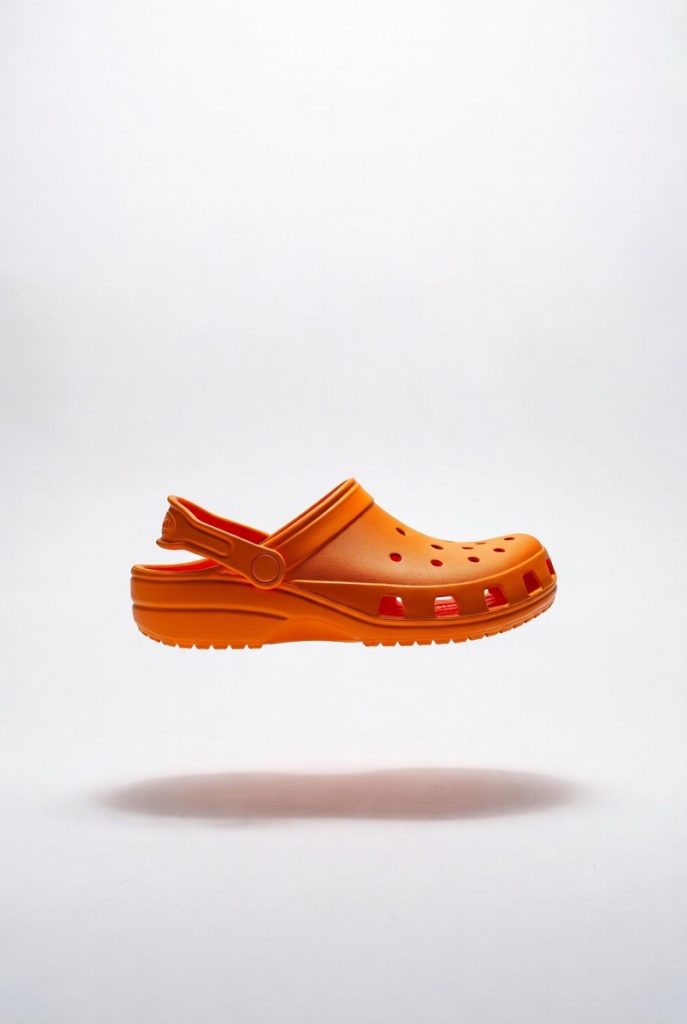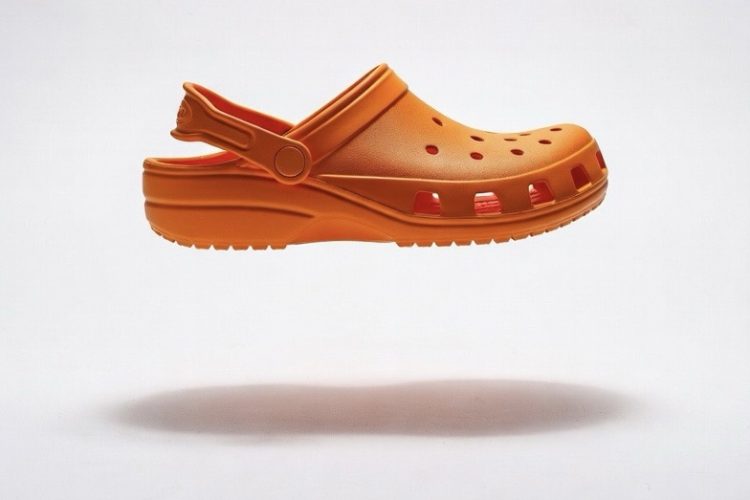
Crocs have sparked widespread debate over concerns like “are Crocs toxic” and “Crocs chemicals leaching,” with fears that their foam material might release harmful substances into the skin through sweat or heat. In reality, Crocs are made from Croslite, a proprietary closed-cell EVA foam that is phthalate-free, BPA-free, and designed to minimize volatility and leaching under normal conditions. Authentic Crocs comply with strict global safety standards, showing negligible risks of endocrine disruption, cancer, or systemic poisoning in everyday wear. While third-party charms can occasionally contain heavy metals or phthalates, official products and accessories are rigorously tested. Crocs are also moving toward sustainability with at least 25% bio-circular content in their lineup. For most people, the health risks are very low; simple habits like wearing socks, rotating shoes, and choosing genuine pairs further reduce any minor concerns, making Crocs a comfortable, generally safe choice when used mindfully.
Long Version
Unraveling the Concerns: Do Crocs Leach Harmful Chemicals That Poison the Body?
In an era where everyday items face scrutiny for hidden hazards, Crocs stand out as both a comfort icon and a source of debate. These vibrant, foam clogs have surged in popularity, but searches for “are Crocs toxic” and “Crocs chemicals leaching” reveal growing unease. Could something as simple as slipping on these shoes expose you to toxins that seep into your skin, especially in heat or sweat? This comprehensive guide serves as your go-to resource, dissecting the materials, science, potential risks, and practical solutions with balanced insight. We’ll navigate the facts beyond the hype, empowering you to decide if Crocs align with your health priorities.
Whether you’re pondering “Crocs phthalates” as a parent or exploring “Crocs EVA foam toxic” as a health-conscious wearer, this exploration draws on material science, regulatory standards, and real-world considerations. Let’s peel back the layers for clarity and confidence.
Decoding Crocs’ Core Material: From Croslite to Modern Innovations
Crocs’ signature appeal stems from Croslite, their proprietary closed-cell foam resin. At its base, Croslite is derived from ethylene vinyl acetate (EVA), a versatile polymer used in everything from running shoes to yoga mats. EVA provides that buoyant, shock-absorbing quality, making Crocs lightweight and moldable. But questions like “Crocs EVA foam toxic” often arise because EVA can sometimes incorporate additives for flexibility or durability.
Historically, some EVA formulations included phthalates—chemical softeners linked to health concerns. However, Crocs has long phased these out, ensuring their products are phthalate-free and BPA-free to meet global safety benchmarks. This shift addresses fears of “Crocs hormone disruptors,” as phthalates can interfere with endocrine functions. Today, Croslite emphasizes stability, with a non-porous structure that minimizes bacterial growth and enhances hygiene.
Looking ahead to 2026 trends, Crocs is advancing sustainability by integrating bio-circular materials into Croslite. By incorporating plant-based byproducts like recycled cooking oil, they’ve achieved at least 25 percent bio-circular content across their lineup. This not only reduces reliance on fossil fuels but also lowers the environmental footprint, indirectly benefiting public health by curbing plastic pollution. Yet, for those worried about “Crocs plastic toxins,” it’s worth noting that even bio-enhanced EVA remains a synthetic—durable but not entirely natural.
Accessories like charms or jibbitz add another layer. While official Crocs charms undergo rigorous testing, third-party or knockoff versions have been flagged in reports for containing phthalates, lead, or cadmium. These “Crocs jibbitz toxic” elements aren’t inherent to the clogs but can introduce risks if handled frequently, especially by children. In summary, Crocs’ material evolution prioritizes safety, but vigilance with add-ons is key to avoiding “toxic Crocs shoes” pitfalls.
The Science of Chemical Leaching: Reality in Crocs Wear
Chemical leaching occurs when substances migrate from a product into surrounding environments, such as skin through sweat or heat. For footwear, this raises alarms like “Crocs chemicals leaching into skin,” particularly in warm conditions where “Crocs hot weather toxic” becomes a hot topic. Sweat, being slightly acidic, can act as a catalyst, while friction from barefoot wear amplifies contact.
In Crocs, the closed-cell design of Croslite acts as a barrier, trapping potential compounds inside and reducing volatility. Unlike open-cell foams that readily release gases, Croslite limits off-gassing—that chemical scent some dub “Crocs off gassing smell.” Under normal use, leaching is minimal; EVA is stable at room temperature, and Crocs’ formulations avoid high-risk additives.
However, extreme scenarios warrant nuance. High heat, like leaving Crocs in a hot car or wearing them during intense activity, might prompt trace releases of volatile organic compounds (VOCs) such as acetaldehyde or formamide from EVA breakdown. These are classified as potential irritants, but exposure levels in Crocs are far below thresholds for harm. “Sweat chemicals Crocs absorption” is more myth than menace, as skin’s natural barrier filters most substances, and no widespread studies link Crocs to systemic poisoning.
Microplastics present another angle: As Crocs degrade over time, tiny particles could shed, contributing to “Crocs microplastics health” discussions. These might enter indoor air or water, but the impact pales compared to broader sources like synthetic clothing. Factors influencing leaching include:
- Duration and Intensity: Prolonged barefoot use in humid climates heightens minor interactions.
- Product Age: Worn-out Crocs may shed more, but replacement mitigates this.
- Individual Factors: Sensitive skin or allergies could mimic “Crocs leach chemicals” effects, often from moisture rather than toxins.
Ultimately, while leaching isn’t zero, it’s negligible in authentic Crocs, making “Crocs poisoning body” claims largely overstated.
Potential Health Implications: Separating Risks from Speculation
Delving into “are Crocs bad for your health,” we must differentiate direct chemical effects from indirect ones. Primary concerns tie to additives: If phthalates linger in unregulated items, they could act as “Crocs endocrine disruptors,” potentially affecting hormone balance, fertility, or development. This is especially relevant for “Crocs toxic for kids,” given children’s higher absorption rates and play habits.
Heavy metals in some charms raise red flags for “Crocs lead heavy metals.” Lead, a neurotoxin, can impair cognitive growth, but authentic Crocs products stay well under limits. “Crocs cancer risk” stems from fears of carcinogens like PAHs or VOCs, yet no credible evidence connects standard Crocs wear to oncology issues. Some EVA byproducts are VOCs, but at trace amounts, they’re unlikely to cause “Crocs cause cancer.”
Skin-level effects include irritation or rashes, often misattributed to “Crocs barefoot toxins.” These usually arise from sweat-trapped bacteria or friction, not leaching. For vulnerable groups—such as those querying “Crocs safe during pregnancy chemicals”—minimal risks exist, but opting for breathable alternatives provides peace of mind.
Indirectly, Crocs’ ergonomic design lacks arch support, potentially leading to foot strain, but that’s biomechanical, not toxic. Environmentally, shedding contributes to pollution, which cycles back to human health via waterways. A balanced perspective: Most wearers experience no issues, but those with sensitivities should monitor for subtle signs like fatigue or skin changes, though these are rare.
Regulations and Testing: Building Blocks of Safety Assurance
Crocs’ commitment to “safe Crocs material” is backed by stringent standards. Products comply with REACH in Europe (limiting hazardous substances), CPSIA in the U.S. (protecting children from toxins), and California’s Prop 65 (requiring warnings for potential carcinogens). These ensure low levels of restricted chemicals, with regular third-party audits.
For “Crocs BPA free” and phthalate-free claims, Crocs exceeds requirements, often testing beyond basics for VOCs and heavy metals. Bio-circular advancements further align with 2026 sustainability goals, reducing “Crocs forever chemicals” risks—Crocs avoids PFAS entirely. Consumers can verify via product labels or batch codes, confirming adherence.
This regulatory framework counters “Crocs health dangers,” providing a safety net absent in cheaper imitations.
Debunking Myths: Facts Over Fear-Mongering
Online narratives amplify doubts, so let’s clarify common fallacies.
- Myth: Crocs are riddled with cancer-causing toxins. Fact: “Crocs carcinogenic” lacks support; EVA is low in PAHs, and no health agencies implicate Crocs.
- Myth: Daily wear leads to body poisoning. Fact: “Crocs poisoning body” is speculative; no documented cases exist from standard use.
- Myth: All EVA is equally hazardous. Fact: “EVA Crocs harmful” varies by quality—Crocs’ refined version minimizes risks.
- Myth: Charms are always safe. Fact: Official ones are, but “phthalates Crocs charms” in knockoffs can be problematic; stick to verified sources.
- Myth: Heat turns Crocs into toxin factories. Fact: Minor VOC releases occur, but not at harmful levels for “Crocs in sun leaching chemicals.”
These distinctions foster informed choices, dispelling unnecessary panic.
Exploring Safer Alternatives: Options Beyond Crocs
For those seeking “non toxic Crocs alternatives,” diverse choices abound:
- Natural Clogs: Cork or wood-based like Birkenstocks offer breathability without synthetics.
- Rubber Footwear: Natural latex brands avoid “plastic shoes children harmful” concerns.
- Certified Synthetics: Oeko-Tex labeled EVA shoes ensure low toxins.
- Leather or Hemp: Durable, natural materials reduce leaching potential.
- Minimalist Shoes: Promote foot health with eco-friendly builds.
These “safe foam shoes” balance comfort and caution, ideal for “natural material clogs” enthusiasts.
Actionable Strategies: Wearing Crocs Wisely
Maximize benefits while minimizing “Crocs health risks negative effects”:
- Pair with socks to buffer skin contact.
- Rotate shoes to prevent overuse.
- Clean with mild soap to curb buildup.
- Store away from extreme heat.
- Choose authentic items; inspect for wear.
- For kids, limit charms and supervise play.
- Recycle through Crocs’ programs to lessen environmental impact.
These habits transform potential drawbacks into manageable aspects.
Empowering Your Footwear Choices: Key Insights Reinforced
Crocs blend convenience with evolving safety, but queries like “are Crocs safe to wear” highlight the need for nuance. We’ve examined Croslite’s composition, leaching dynamics, health angles, regulatory safeguards, myths, alternatives, and tips, revealing that while minor concerns exist—chiefly from accessories or extremes—authentic Crocs pose low risks for most. Prioritize quality, listen to your body, and embrace informed decisions. In a world of choices, your well-being steps forward with knowledge as your guide.