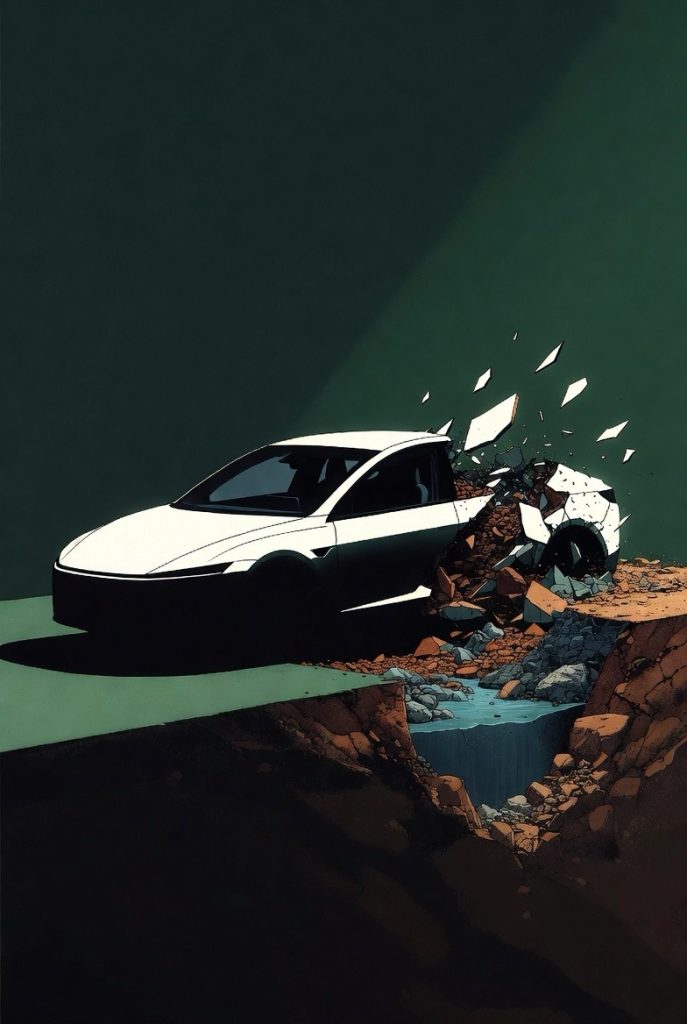
Electric cars offer zero tailpipe emissions, making them cleaner than gas vehicles over their lifetime, but they come with significant hidden environmental costs. Battery production and mining for lithium, cobalt, and other minerals create high upfront emissions—often 30% more than gas cars initially—along with water pollution, habitat loss, and ethical issues like child labor in cobalt mines. These costs are offset after about 17,000 kilometers of driving, and EVs ultimately emit up to 73% fewer greenhouse gases across their lifecycle, especially on cleaner grids. Hybrids reduce emissions less but avoid heavy mining impacts and perform better in coal-powered regions. While electric vehicles aren’t a perfect solution and rely on improvements in recycling, ethical sourcing, and renewable energy, data shows they still outperform gas cars and hybrids for long-term climate benefits.
Long Version
Electric Cars Aren’t Saving the Planet? Unpacking the Hidden Environmental Costs of Battery Production and Mining
In the push toward a greener future, electric vehicles (EVs) have been hailed as a breakthrough for reducing emissions. Yet, for eco-conscious readers engaged in heated eco-debates, questions linger: What about the electric car environmental impact beyond the tailpipe? This article critiques the hidden environmental costs of electric cars, focusing on EV battery mining and production, while comparing EVs to hybrids and efficient gas cars. Drawing from recent 2025-2026 studies, we’ll explore lifecycle analyses to provide a balanced, data-driven perspective.
The Broader Electric Car Environmental Impact
Electric vehicles produce zero tailpipe emissions, a clear advantage over traditional gasoline cars. However, their overall EV environmental effects must account for the full lifecycle, from raw material extraction to end-of-life disposal. According to a 2025 International Council on Clean Transportation (ICCT) study, battery electric vehicles sold today emit 73% fewer lifecycle greenhouse gases than gasoline counterparts, even factoring in manufacturing. This benefit grows as grids incorporate more renewables, but upfront impacts—particularly from battery production—can make EVs initially more carbon-intensive.
Critics argue that the unseen EV eco drawbacks, such as resource-intensive manufacturing, challenge the narrative that EVs unequivocally “save the planet.” A University of Michigan cradle-to-grave analysis from 2025 shows EVs reduce climate pollution, but the extent varies by vehicle size, usage, and location. For instance, in regions with coal-heavy grids, the EV carbon footprint narrows, though it still outperforms gas cars over time.
EV Battery Mining: The Dark Side of Green Tech
At the heart of EV production lies battery mineral mining, which raises serious environmental and ethical concerns. Lithium mining pollution is a prime example: Extracting lithium often involves evaporating vast amounts of water in arid regions, leading to ecosystem disruption and soil contamination. A 2025 report highlights that lithium extraction innovations could cut mining-related carbon emissions by 35% by 2028, but current practices in areas like North Carolina’s lithium deposits still pose risks to local habitats.
Cobalt mining child labor adds a human dimension to these issues. In the Democratic Republic of Congo (DRC), which supplies much of the world’s cobalt for EV batteries, child exploitation persists. A 2025 University of Nottingham Rights Lab report details how cobalt mining contributes to forced labor and environmental degradation, with 80% of DRC output controlled by Chinese firms. This ethical shadow underscores the battery mineral child exploitation tied to EV growth, prompting calls for better supply chain oversight.
Overall, EV battery mining amplifies natural resource degradation. A 2024-2025 analysis in Sustainable Production and Consumption notes that EV adoption heightens habitat loss and social inequalities from mining activities. To mitigate this, experts advocate for urban mining—recycling existing batteries—which a 2025 Stanford study shows reduces greenhouse gas emissions, energy use, and water consumption compared to virgin material extraction.
EV Battery Production Emissions: Upfront Costs Revealed
Battery manufacturing is emissions-heavy, contributing to the hidden environmental costs of electric cars. Data from 2025 indicates that producing an EV battery emits 60-90 kg of CO2 per kilowatt-hour, with total emissions for a Tesla Model 3’s 80 kWh battery ranging from 2,400 to 16,000 kg of CO2. This makes EVs 30% higher in initial CO2 emissions than gas-powered cars, primarily due to mining and processing.
Cathode production alone accounts for 29-57% of battery supply chain emissions, per a 2025 Global Production Emissions Assessment. Mining comprises 39% of overall emissions in lithium-ion battery chains. However, these upfront costs are offset quickly: A 2025 study finds EVs balance emissions after about 17,000 kilometers, with every subsequent mile widening their advantage. By two years of use, EVs emit less overall than gas vehicles.
The IEA’s Global EV Outlook 2025 projects battery demand surges, emphasizing the need for decarbonized production to curb these impacts. Recycling and second-life applications for EV batteries, as explored in a 2026 Tyee report, further extend their environmental value by reducing new mining needs.
Environmental Damage from Mining for EV Batteries
The environmental damage from mining for EV batteries extends beyond emissions to water pollution, biodiversity loss, and toxic waste. Demand for cobalt, nickel, and manganese could rise 40-80 times by 2025, exacerbating these issues. In the DRC and beyond, mining destroys forests and contaminates waterways, as noted in a 2025 Earthworks report advocating for minimized impacts through sustainable practices.
A 2025 NPR discussion highlights how the transition to EVs, while essential, carries hidden costs like ecosystem destruction. Innovations in circular economies, such as advancing battery recycling, could cut these damages significantly.
Hybrid vs EV Environment: Weighing the Options
When comparing hybrid vs EV environment impacts, hybrids offer a middle ground. ICCT data shows hybrids reduce lifecycle emissions by 20%, while plug-in hybrids achieve 30%—far less than EVs’ 73%. A 2025 Nature study finds battery EVs with 32-47% lower footprints than hybrids in climate-compatible scenarios.
Hybrids may edge out EVs in coal-dependent grids or short-lifespan scenarios, per MIT analysis. Toyota’s chairman claimed in 2025 that one EV equals three hybrids in emissions, but this overlooks long-term benefits. For eco-conscious buyers, EVs generally provide greater reductions, especially with clean energy.
EV vs Gas Cars Environment: A Lifecycle Perspective
In EV vs gas cars environment debates, lifecycle analysis is key. EVs have higher manufacturing emissions but lower operational ones. A 2025 Recurrent Auto report emphasizes that without grid improvements, EVs could offset over half of emission reductions, yet they remain cleaner overall.
EPA myths busting confirms EVs’ smaller carbon footprints, even with battery production factored in. Gas cars produce 70% more greenhouse gases than EVs over lifetimes, per a 2025 GovTech summary. BloombergNEF’s 2024-2025 findings affirm EVs’ superiority in all cases.
Efficient Gas Cars Environmental Benefits: A Viable Alternative?
Efficient gas cars environmental benefits include lower upfront emissions and no mining dependencies. Fuel-efficient gasoline models can rival hybrids in certain contexts, but they lag behind EVs. A Transportation Energy Institute lifecycle comparison shows gas vehicles’ higher total costs and emissions without subsidies.
While efficient gas cars avoid battery-related pollution, their tailpipe emissions accumulate. In gas car vs EV green comparisons, EVs win on long-term metrics, especially as batteries improve.
Addressing Common Questions: Are Electric Cars as Green as We Think?
Many ask, “Are electric vehicles better for the environment than gas cars?” 2026 studies confirm yes, with EVs cleaner across lifecycles. “What are the hidden costs of EV batteries?” They include production emissions and mining harms, offset by operational savings.
“How dirty are electric vehicles?” Upfront, quite—due to manufacturing—but they clean up fast. “Are electric vehicles bad for the environment?” No, but their benefits depend on sustainable practices.
In comparing hybrids to electric cars for planet saving, EVs lead, but hybrids suit transitional needs.
Conclusion: Toward a Truly Sustainable Mobility Future
Electric cars aren’t a panacea, given the EV green myth exposed by mining and production critiques. Yet, substantiated data shows they outperform gas and hybrids in lifecycle emissions reductions. For eco-debates, the path forward involves cleaner grids, ethical sourcing, and recycling. By addressing these, EVs can genuinely contribute to saving the planet.