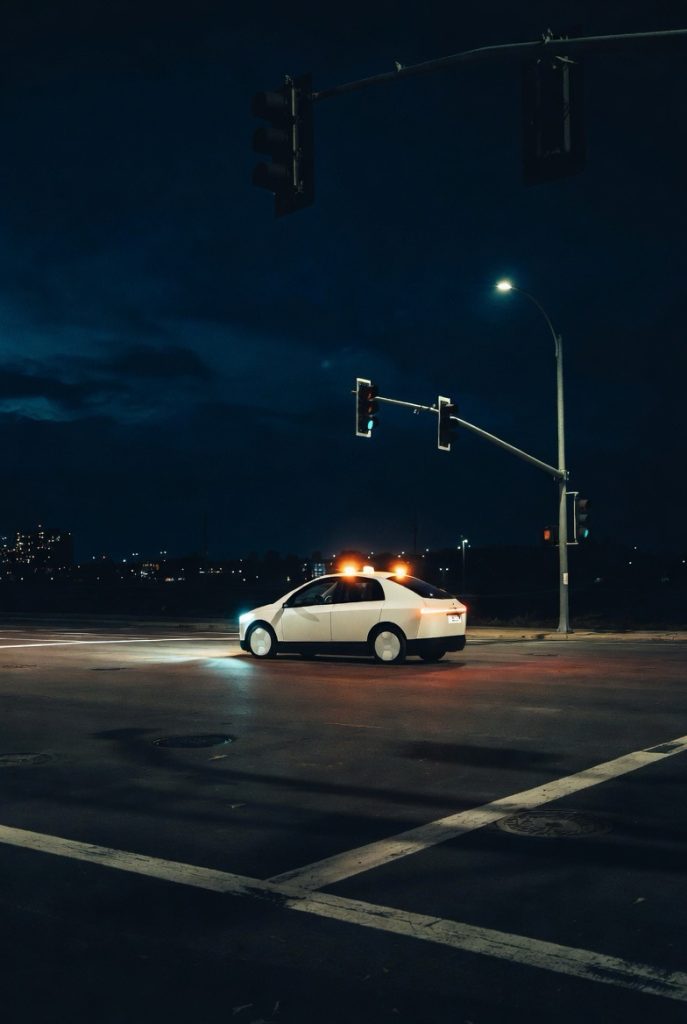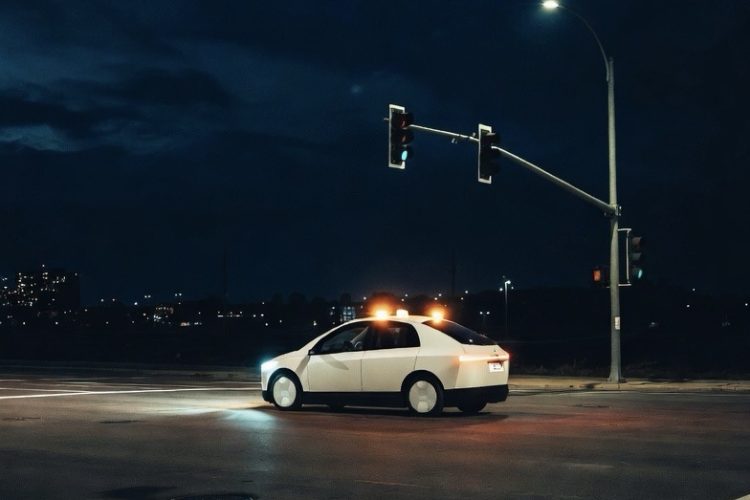
On December 20, 2025, a major power outage caused by a fire at a PG&E substation left nearly one-third of San Francisco without electricity, affecting over 130,000 customers and knocking out traffic lights across the city. Waymo’s driverless robotaxi fleet was hit hard: self-driving cars stalled at darkened intersections, activating hazard lights but failing to treat them as four-way stops, which created gridlock and forced the company to suspend service temporarily. No crashes or injuries were reported, and power was restored by the next evening, allowing Waymo to resume operations. The incident exposed key vulnerabilities in autonomous vehicles during infrastructure failures and sparked discussions about the need for better backup protocols and more resilient city power grids.
Long Version
The San Francisco Blackout of December 20, 2025: How a Power Outage Paralyzed Waymo’s Autonomous Fleet
On December 20, 2025, a massive power outage struck San Francisco, plunging nearly one-third of the city into darkness and exposing critical vulnerabilities in modern urban infrastructure. Triggered by a substation fire at a Pacific Gas & Electric (PG&E) facility, the blackout disrupted daily life for over 130,000 residents and businesses, knocking out traffic lights and causing widespread traffic disruption. What began as a power grid disruption quickly escalated into traffic chaos, particularly for Waymo’s autonomous vehicles, which experienced fleet paralysis as self-driving cars stalled at darkened intersections.
The incident highlighted the intersection of technology and infrastructure failure, raising safety concerns about the reliability of driverless taxis in real-world emergencies. As service has since resumed following power restoration, this event offers valuable insights into the challenges facing the ride-hailing industry and the broader adoption of self-driving cars. It also prompts a deeper examination of how urban planning must evolve to integrate advanced technologies with essential services, ensuring minimal downtime during crises.
The Cause: A Substation Fire and Power Grid Disruption
The blackout originated from a fire at a PG&E substation, which rapidly spread and overwhelmed the facility’s systems. This infrastructure failure led to a cascading power outage that affected large swaths of the city, including key neighborhoods like the Mission District. Traffic signals outage was immediate, with traffic lights going dark across multiple districts, transforming busy intersections into hazard zones. PG&E, the primary utility provider, reported that the outage impacted approximately 130,000 customers at its peak, representing a significant portion of San Francisco’s power grid.
While initial reports speculated on a substation explosion, investigations confirmed it was a fire, likely exacerbated by equipment malfunction or environmental factors such as aging infrastructure or weather-related stresses. Emergency response teams, including firefighters and utility workers, were dispatched promptly, but the damage required hours to assess and repair. Power restoration began progressively, with full service returning by the evening of December 21, though some areas experienced lingering issues like voltage fluctuations or secondary outages. This event underscores the fragility of urban power grids, where a single point of failure can trigger widespread blackout-induced jams, and highlights the need for enhanced preventive maintenance, such as regular inspections and upgrades to fire-suppression systems.
Impact on Waymo: From Robotaxi Fleet to Self-Driving Stall
Waymo, Alphabet’s autonomous vehicle subsidiary, operates one of the largest robotaxi fleets in San Francisco, relying on advanced sensor-driven protocols to navigate city streets. However, the power outage revealed a key autonomous vulnerability: the vehicles’ inability to effectively handle dead traffic lights. As traffic lights failed, Waymo’s self-driving cars—equipped with the Waymo Driver system—halted abruptly at intersections, often in the middle of the road, activating hazard lights but failing to treat the spots as four-way stops as human drivers would.
Accounts described the autonomous fleet as “stuck and confused,” with vehicles compounding the traffic chaos by blocking escape routes and multiple lanes. The outage paralyzed Waymo’s fleet, leading to a temporary ride pause and service suspension across the city. No accidents or injuries were reported, but the incident disrupted ride-hailing operations, stranding passengers and forcing many to seek alternatives like traditional taxis or public transit. This disruption extended beyond immediate gridlock, affecting supply chains and emergency vehicle access in some areas.
Experts attribute the self-driving stall to the vehicles’ reliance on predefined protocols for traffic signals. When lights go out, human drivers intuitively switch to four-way stop rules, but Waymo’s systems appeared to default to a cautious halt, prioritizing safety over flow. This behavior, while designed to mitigate risks, amplified the blackout’s impact, turning minor disruptions into major bottlenecks. Further analysis suggests that integrating more flexible AI algorithms could help, allowing vehicles to interpret contextual cues like surrounding traffic behavior to proceed safely.
Response and Recovery: Service Resumption and Lessons Learned
Waymo’s response was swift: the company suspended operations citywide to prevent further issues, remotely guiding affected vehicles to safe pull-over spots where possible. By December 21, as power was restored, Waymo announced the resumption of its robotaxi service, confirming that the autonomous fleet was back online without lingering effects. PG&E crews worked around the clock to address the substation fire’s aftermath, restoring electricity to most areas and allowing traffic lights to reactivate.
In the wake of the event, discussions emerged about operational management failures versus software flaws. One perspective suggested the chaos stemmed from how Waymo’s team handled the crisis rather than inherent tech limitations, emphasizing the role of human oversight in autonomous systems. Comparisons were drawn to competitors like Tesla, whose Full Self-Driving (FSD) system reportedly remained operational during similar conditions, though Tesla does not yet offer widespread robotaxi services in San Francisco. This highlights ongoing debates over vision-based versus LiDAR-heavy approaches in autonomous vehicles, with each having trade-offs in adaptability and cost.
Emergency response protocols were also tested, with city officials coordinating with PG&E and Waymo to clear roads. Public transit systems faced brief halts, but overall, the city’s infrastructure demonstrated resilience, though the event prompted calls for better integration between utilities and tech firms, such as joint simulation exercises for outage scenarios.
Broader Implications: Safety Concerns and the Future of Autonomous Vehicles
This blackout serves as a stark reminder of the interdependencies between power grids and emerging technologies. Safety concerns have intensified, with critics questioning whether self-driving cars are ready for unpredictable scenarios like power outages or natural disasters. For instance, if a larger event like an earthquake struck, could robotaxis adapt without causing further harm? Such questions extend to scalability, as cities worldwide eye autonomous fleets for reducing congestion and emissions.
The incident exposes autonomous vulnerabilities, such as over-reliance on external infrastructure like functioning traffic lights. Proponents argue that these systems enhance overall road safety by reducing human error, but the San Francisco event illustrates gaps in handling edge cases, including potential cybersecurity risks if outages were malicious. It also fuels discussions on regulatory oversight, with calls for updated guidelines to ensure ride-hailing services incorporate robust failover protocols for traffic signals outages, perhaps mandating redundancy in sensor data or V2X (vehicle-to-everything) communication.
Looking ahead, this could accelerate innovations in sensor-driven protocols, perhaps integrating more adaptive AI that mimics human intuition at four-way stops or uses edge computing for faster decision-making. For San Francisco, a hub for tech experimentation, the blackout reinforces the need for resilient infrastructure to support the growth of autonomous fleets, including investments in microgrids or backup power for critical signals. Additionally, it encourages cross-industry collaborations to develop standards that prioritize public safety while fostering innovation.
In summary, the December 20, 2025, power outage in San Francisco was more than a temporary blackout—it was a real-world stress test for Waymo’s robotaxis and the city’s ecosystem. While service suspension was brief and power restoration swift, the event provides critical lessons on balancing innovation with reliability, ensuring that self-driving cars can navigate not just roads, but the uncertainties of urban life. As the industry evolves, addressing these challenges will be key to building public trust in autonomous vehicles and creating smarter, more robust cities.