
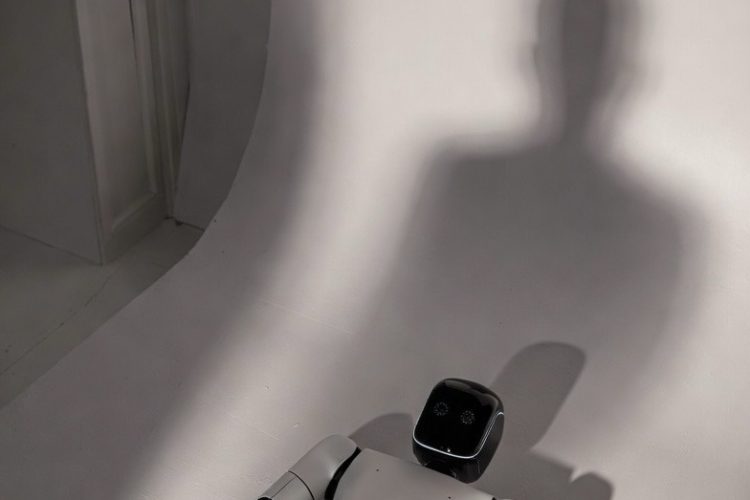
Social Robotics LLC has filed a $1 million lawsuit against streamer IShowSpeed, claiming he intentionally damaged their viral humanoid robot Rizzbot during a chaotic September 16 livestream. The suit alleges he punched the robot, put it in a chokehold, slammed it around, and caused severe sensor and movement failures that left it nonfunctional. The company says the damage destroyed the $15,000 machine and canceled major opportunities, including planned collaborations with MrBeast and CBS’s NFL Today Show. Police documented the incident, and the case now raises broader questions about influencer responsibility, tech safety, and accountability during livestream interactions.
Long Version
IShowSpeed Faces $1 Million Lawsuit Over Alleged Assault on Viral Humanoid Robot Rizzbot
In a high-profile legal clash blending the worlds of influence and cutting-edge technology, Social Robotics LLC has filed a lawsuit against popular streamer and influencer Darren Jason Watkins Jr., better known as IShowSpeed. The petition, lodged in Travis County District Court in Austin, Texas, accuses Watkins of intentionally assaulting their viral humanoid robot, Rizzbot, during a chaotic livestream broadcast on September 16. The company is seeking approximately $1 million in monetary relief to cover damages, the destroyed robot, and lost opportunities stemming from the incident.
Background on the Parties Involved
Darren Jason Watkins Jr., or IShowSpeed, is a prominent streamer with millions of followers, renowned for his energetic, often unpredictable broadcasts that blend gaming, reactions, and real-life interactions. His content frequently attracts massive viewership through appearances on major shows like the NFL Today Show on CBS, where he has co-hosted segments. On the other side, Social Robotics LLC, based in Austin, Texas, specializes in developing advanced humanoid robots designed for entertainment and social engagement. Rizzbot, their flagship creation, gained widespread fame for its witty, interactive personality, often roasting celebrities and engaging in humorous banter that captivated online audiences.
The robot’s development involved significant investment, with the build cost estimated at around $15,000, though some reports reference a base robot cost of $13,500 before customizations. Rizzbot’s status was amplified through collaborations managed by entities like Mixed Management and Ames Ward, positioning it for high-profile opportunities such as potential partnerships with MrBeast and major media outlets.
The Incident: A Livestream Gone Wrong
The alleged assault occurred during a live broadcast where IShowSpeed invited Rizzbot for an on-stream interaction. What started as a playful appearance quickly escalated into physical chaos. According to the lawsuit, Watkins punched the robot in the face twice—a deliberate face punch—before placing it in a chokehold, choking it around the neck, pinning it down, slamming it against surfaces, and ultimately throwing it to the ground. Eyewitness accounts and video footage from the livestream depict the interaction as intentional and aggressive, with Rizzbot provoking Watkins through pre-programmed roasts, including comparing him to a “FIFA created character” that someone “hit randomize on.”
The physical assault reportedly caused immediate and irreparable damage. Rizzbot suffered neck damage from the chokehold and choking, mouth damage from the punches, defective sensors, and impaired movement systems, rendering it unable to walk properly or perform basic functions. This led to a complete loss of functionality, transforming the once-agile humanoid into a non-operational shell. Police from the Austin Police Department were called to the scene, with the responding officer documenting the damage and noting a lack of implied consent from the owners for such rough handling. The owner expressed intent to press charges, highlighting the incident’s severity.
The Lawsuit: Details and Allegations
Filed in November by Social Robotics’ lawyer, Joel Levine, the legal petition details the accused actions as assault and battery on the robot, emphasizing the intentional nature of the physical harm inflicted. The company alleges that Watkins’ behavior not only caused direct damage but also resulted in significant financial losses. Beyond the robot’s replacement cost, the suit seeks compensation for canceled opportunities, including a planned collaboration with MrBeast and a co-hosting gig on CBS’s NFL Today Show, both of which were reportedly scrapped due to Rizzbot’s compromised state. Lost viewership and potential revenue from future broadcasts and appearances are also cited, pushing the total damages claim to $1 million.
The court filing underscores the robot’s value as a viral asset, arguing that the assault led to irreparable harm to its functionality and marketability. Social Robotics positions the case as a broader investigation into accountability for influencers during livestream interactions, particularly when involving advanced technology. Watkins has yet to publicly respond in detail, but the allegations paint a picture of a streamer whose chaotic style crossed into destructive territory. To enhance understanding, it’s worth noting that such cases often hinge on proving intent and quantifying intangible losses like missed business prospects, which could involve expert testimonies on robotics valuation and market impact.
Consequences and Broader Implications
The fallout from the incident extends beyond the courtroom. Rizzbot’s damaged sensors and movement systems have sidelined it from public appearances, leading to lost opportunities and diminished momentum. For IShowSpeed, the lawsuit could impact his reputation as an influencer, potentially affecting future partnerships amid growing scrutiny of streamer conduct. Reports from outlets like TechCrunch, KXAN, and FOX 7 Austin have amplified the story, drawing attention to the intersection of entertainment and robotics ethics.
Public reactions range from amusement at the absurdity—clips of the assault have recirculated widely—to criticism of both parties. Some argue the robot’s provocative programming invited the response, while others see it as a cautionary tale for tech companies partnering with unpredictable personalities. The case may set precedents for how courts handle damages to AI and robotic entities, blurring lines between property destruction and assault-like claims. Additionally, it raises questions about liability in interactive entertainment, where boundaries between scripted fun and real harm can become unclear, potentially influencing industry standards for safety protocols in collaborations.
Looking Ahead: Potential Outcomes and Lessons
As the legal proceedings unfold in Travis County, both sides are preparing for what could be a protracted battle. Social Robotics aims for full compensation to rebuild and relaunch Rizzbot, while Watkins’ defense might challenge the extent of the damages or argue implied consent in the context of a consensual broadcast interaction. Regardless of the outcome, this incident highlights the risks of mixing high-energy livestreams with fragile technology, urging influencers and creators to prioritize safety and respect during physical engagements. Future resolutions might include settlements to avoid prolonged litigation, or court rulings that define new legal frameworks for humanoid robot protections.
This lawsuit serves as an authoritative reminder in the evolving landscape of social robotics and digital entertainment: even in the pursuit of engaging moments, boundaries must be respected to avoid costly repercussions. Stakeholders in both industries will be watching closely for the court’s decision, which could influence future collaborations and accountability standards. Overall, the event underscores the need for clearer guidelines on handling advanced tech in public settings, ensuring innovation isn’t hindered by avoidable mishaps.


