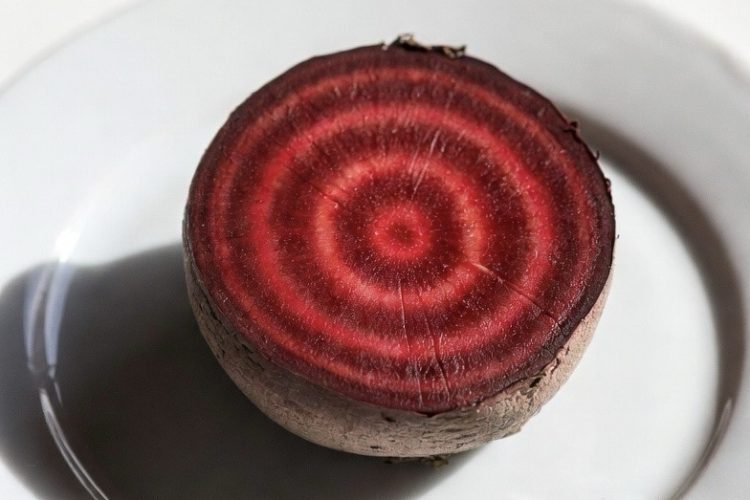
Beets are a powerful, nutrient-rich vegetable that support cardiovascular health, particularly by lowering blood pressure and improving circulation. Packed with dietary nitrates, antioxidants, and anti-inflammatory compounds, beets boost nitric oxide production, which helps dilate blood vessels, reduce arterial stiffness, and enhance blood flow. Studies show beetroot juice can lower systolic blood pressure by 4-8 mmHg, offering benefits for hypertension and stroke prevention. Beets also improve circulation, reduce oxidative stress, and support vascular health with their antioxidant properties. To reap the benefits, include beets in your diet through fresh vegetables, juice, or supplements. Moderation is key, especially for those with kidney issues or on blood pressure medication.
Long Version
The Cardiovascular Power of Beets: Supporting Healthy Blood Pressure and Circulation
Beets, also known as beetroot, stand out as a vibrant root vegetable celebrated for their role in nutrition and diet. Often hailed as a superfood, beets offer a wealth of health benefits, particularly in promoting cardiovascular health and heart health. Rich in dietary nitrates, antioxidants, and other bioactive compounds, beets help support healthy blood pressure levels, enhance circulation, and improve blood flow, making them a valuable addition to natural remedies for maintaining vascular health. This article delves into the science behind these effects, drawing on various studies to provide a complete resource on how beets contribute to stroke prevention, reduced heart disease risk, and overall cardiovascular mortality reduction.
Nutritional Profile of Beets: Key Compounds Driving Benefits
At the core of beets’ appeal lies their unique composition. Beetroot is packed with inorganic nitrate, a precursor to nitric oxide (NO), which plays a pivotal role in cardiovascular function. Beyond nitrates, beets contain betalains—pigments like betanin that provide potent antioxidant and anti-inflammatory properties. These compounds scavenge free radicals, prevent DNA damage, and reduce oxidative stress on lipids and proteins, protecting the endothelium from dysfunction. Polyphenols in beets further amplify these effects, modulating inflammation and supporting endothelial function.
Additional nutrients bolster beets’ profile: potassium aids in maintaining electrolyte balance and nerve function, while folate (vitamin B9) contributes to homocysteine regulation, indirectly benefiting heart health. Minerals such as iron, magnesium, and manganese support immune and bone health, rounding out beets as a nutrient-dense vegetable. When consumed as beet juice or beetroot supplementation, these elements synergize to deliver targeted cardiovascular support. For enhanced understanding, consider that the concentration of these compounds can vary based on beet variety and growing conditions, with red beets typically offering higher betalain levels compared to golden varieties.
Mechanisms: From Dietary Nitrates to Nitric Oxide and Vasodilation
The primary mechanism through which beets promote cardiovascular health involves nitrate metabolism. Dietary nitrates from beets are absorbed in the small intestine with high bioavailability, then concentrated in saliva and reduced to nitrite (NO2-) by oral bacteria like Veillonella and Actinomyces. In the stomach’s acidic environment, nitrite converts to nitric oxide (NO), a powerful vasodilator that relaxes vascular smooth muscle.
This NO production activates guanylyl cyclase, elevating cyclic GMP levels and leading to vasodilation via potassium channel activation and reduced intracellular calcium. The result? Improved endothelial function, reduced arterial stiffness, and enhanced microvascular function, all critical for healthy circulation and blood flow. Large-vessel endothelial function also benefits, as NO counters endothelial dysfunction—a hallmark of hypertension and heart disease. Betalains and polyphenols complement this by attenuating oxidative stress and inflammation, further protecting vascular health.
However, factors like periodontitis can impair nitrate metabolism by reducing nitrate-reducing bacteria, limiting NO bioavailability and blunting beets’ effects. Periodontal treatment restores this capacity, highlighting the interplay between oral health and cardiovascular benefits. Additionally, exercise and certain medications can influence nitrate processing, suggesting that beets’ efficacy may be optimized in combination with a healthy lifestyle.
Impact on Blood Pressure: Evidence from Studies
Beets excel in supporting healthy blood pressure levels, particularly in those with hypertension. Research indicates that beetroot juice (BRJ) significantly lowers systolic blood pressure (SBP) by 4-8 mmHg, with effects peaking 2-3 hours post-ingestion and lasting up to 90 days with consistent use. For instance, studies have found a pooled SBP reduction of -4.95 mmHg in hypertensive patients, though diastolic blood pressure (DBP) effects were less consistent (-0.90 mmHg). Doses of 70-250 mL BRJ daily, providing 200-800 mg nitrates, yield these results without tolerance development.
In free-living adults, trials demonstrated a 4-5 mmHg SBP drop in men after 500 g beet juice, correlating with a potential 10% reduction in cardiovascular mortality. Effects are more pronounced in clinical measurements than 24-hour ambulatory monitoring, with moderate heterogeneity across studies. These findings position beets as an adjuvant for hypertension management, reducing millimeters of mercury (mm Hg) readings and aiding in stroke prevention. To enhance practicality, note that combining beets with other nitrate-rich foods like leafy greens can amplify these effects, though individual responses vary based on age, fitness level, and baseline blood pressure.
Enhancing Circulation and Vascular Health
Beyond blood pressure, beets improve circulation through NO-mediated vasodilation, increasing blood flow to muscles and organs. Studies show enhanced microvascular function and reduced oxygen cost during exercise, benefiting conditions like peripheral artery disease. Anti-inflammatory properties from betalains decrease vascular inflammation, while antioxidants mitigate oxidative damage, supporting overall vascular health and reducing arterial stiffness.
In older adults, medium-term BRJ ingestion improves large-vessel endothelial function, further aiding circulation. This holistic impact on blood flow contributes to lower heart disease risk and better cardiorespiratory performance. For athletes or those with active lifestyles, beets may also enhance endurance by optimizing oxygen delivery, potentially delaying fatigue during prolonged activities.
Additional Cardiovascular and Anti-Inflammatory Benefits
Beets’ antioxidants, including betanin and polyphenols, offer broad protection against heart disease by lowering LDL cholesterol and reducing inflammation. Betalains modulate oxidative stress pathways, attenuating atherogenesis and potentially preventing strokes. Folate and potassium add layers of support, regulating homocysteine and electrolyte balance to curb cardiovascular mortality. Emerging research also explores beets’ role in metabolic health, such as improving insulin sensitivity, which indirectly supports heart function by addressing risk factors like diabetes.
Incorporating Beets into Your Diet
To harness these benefits, include beets in your diet via fresh vegetables, beet juice (BRJ), or beetroot supplementation. Aim for 70-500 mL juice daily, but start low to assess tolerance. Recipes like salads, smoothies, or roasted beets make integration easy, enhancing nutrition without overcomplication. For variety, try fermented beets for added probiotic benefits or blended with fruits to mask their earthy flavor, ensuring sustained intake for long-term vascular support.
Potential Side Effects and Precautions
While generally safe, beets can cause beeturia—harmless pink or red urine due to betanin excretion—affecting 10-14% of people. Excessive intake may lead to digestive issues, kidney stones from oxalates, or rare methemoglobinemia in high-nitrate scenarios. Those with kidney disease should monitor potassium; consult a healthcare provider before starting supplementation, especially if on blood pressure medications. No major risks link to cancer from nitrates at recommended levels, but moderation is key. Pregnant individuals or those with gastrointestinal sensitivities may benefit from cooked forms to reduce oxalate content.
Conclusion
Beets represent a potent natural remedy for bolstering cardiovascular health, primarily through dietary nitrates’ conversion to nitric oxide, which supports vasodilation, healthy blood pressure, and optimal circulation. Backed by extensive research, their antioxidants and anti-inflammatory compounds further guard against heart disease and strokes. As a versatile root vegetable, beets offer accessible benefits, though mindful consumption ensures safety. Integrating them into a balanced diet can provide lasting vascular health advantages, making them an authoritative choice for heart-conscious individuals. For optimal results, pair with regular physical activity and a diverse, plant-based diet to maximize their synergistic effects on overall well-being.