Ergotism is a dangerous illness caused by ergot alkaloids from the fungus Claviceps purpurea, which infects grains like rye, wheat, and barley. The fungus forms toxic sclerotia that contaminate food and feed, leading to symptoms such as hallucinations, convulsions, and gangrene. Ergot alkaloids are powerful compounds that can harm the nervous system and blood vessels but also have medical uses in migraine and postpartum care. Historical outbreaks shaped societies, and related fungi can affect livestock. Modern farming, grain cleaning, and strict food safety standards help prevent ergot contamination and protect human and animal health.
Long Version
Understanding Ergotism: The Hidden Threat of Claviceps purpurea and Ergot Alkaloids
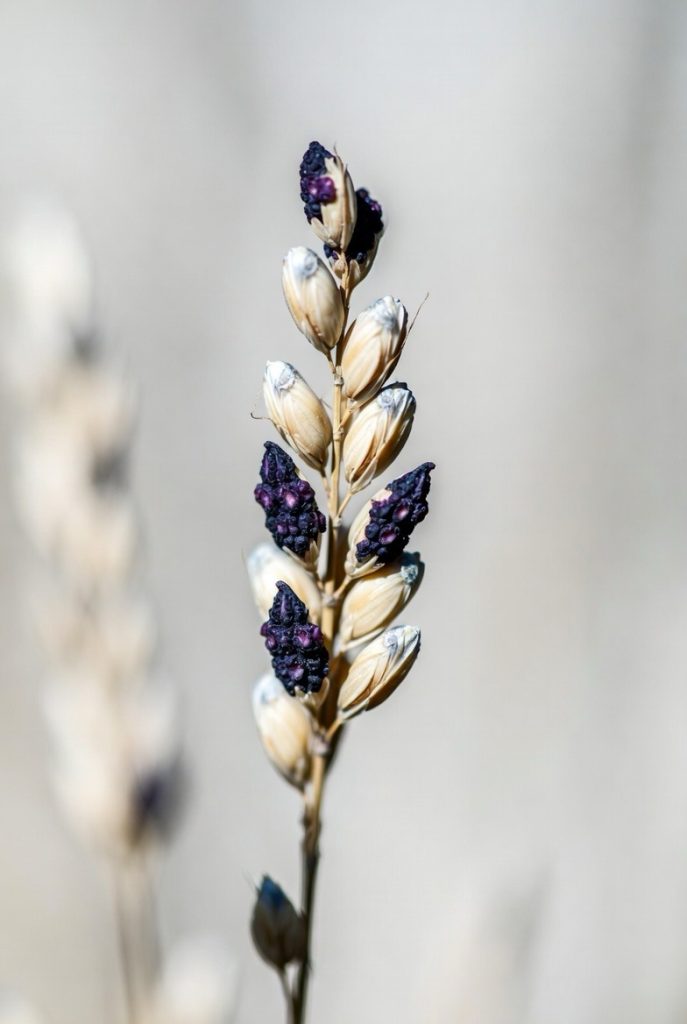
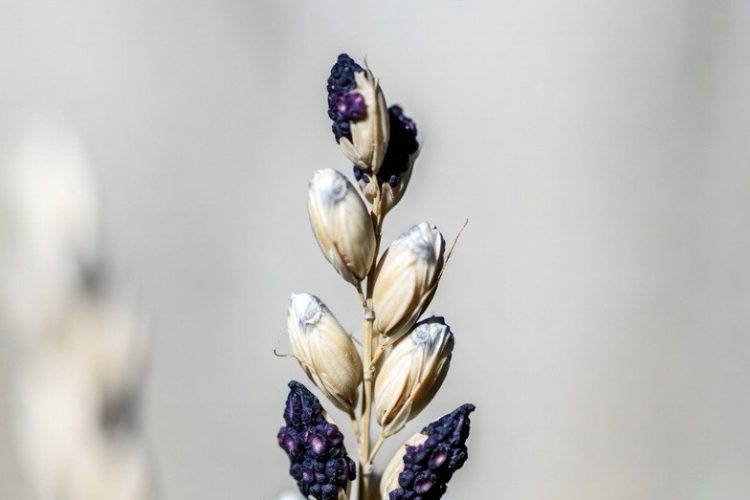
Ergotism, a rare but dangerous condition caused by the ingestion of toxic ergot alkaloids produced by the fungus Claviceps purpurea, has plagued humanity for centuries. This ascomycete fungus primarily infects cereals and grains such as rye, wheat, barley, and other members of the Gramineae family, including Secale cereale and Triticum aestivum. When spores contaminate these crops, they form sclerotia—hard, purple-black structures known as ergot bodies or Sclerotium clavus—that replace the grain kernels. Upon consumption, these sclerotia release mycotoxins, leading to severe symptoms like hallucinations, convulsions, gangrene, vasoconstriction, necrosis, and even agalactia in livestock. Though outbreaks are infrequent in modern times due to improved food safety measures, understanding the biology, toxicity, and management of this biotrophic pathogen remains crucial for agriculture, health, and biotechnology.
The Biology and Life Cycle of Claviceps purpurea
Claviceps purpurea, commonly referred to as the rye ergot fungus, is a plant pathogen with a complex life cycle that alternates between sexual and asexual stages. The cycle begins in spring when overwintering sclerotia germinate after a vernalization period of low temperatures (0-10°C), forming stroma with perithecia, asci, and ascospores. These windborne ascospores serve as the primary inoculum, landing on the featherlike stigmas or open florets of susceptible hosts during flowering. Factors like pollen viability, floret sterility, flower openness, anther extrusion, host genotype, self-pollination, cross-pollination, male sterile lines, physiological resistance, copper deficiency, and boron deficiency influence infection susceptibility.
Once infected, hyphae proliferate, producing a sphacelium stage where conidia are exuded in a sticky honeydew matrix, facilitating secondary spread via insects, rain splash, or wind currents. This secondary inoculum exacerbates epidemic development. Over time, the infected ovary transforms into sclerotia, composed of sclerotial hyphae and ascomata, which overwinter in soil or stubble for about a year, ensuring sclerotial survival and longevity. The fungus’s aggressiveness, biotypes, races, host specificity, and pathogen variability allow it to infect wild grasses as alternative hosts, contributing to inoculum sources and sclerotial production.
Ergot Alkaloids: Composition and Biosynthesis
At the heart of ergotism’s toxicity are ergot alkaloids, specialized fungal metabolites derived from tryptophan, methionine, and mevalonic acid pathways. These compounds are classified into three main groups: clavines (e.g., agroclavine, elymoclavine, chanoclavine), lysergic acid amides (including d-lysergic acid and ergometrine), and ergopeptines (such as ergotamine, ergocristine, ergokryptine, ergosine, ergocornine). Ergopeptinines represent epimers of these alkaloids, adding to their chemical diversity.
Biosynthesis occurs through a gene cluster involving non-ribosomal peptide synthetases (NRPS) like lysergyl peptidyl synthetase (LPS), with key enzymes encoded by genes such as dmaW (encoding dimethylallyl tryptophan synthase, DMATS, for the initial step with DMAT), easA, easC, easD, easE, easF, easG, easH (including easH1 and easH2), cloA, lpsA1, lpsA2, lpsB, and lpsC. Regulatory mechanisms include feedback regulation, NADPH oxidase, ROS (reactive oxygen species), MAPK, GTPase (Rac, Cdc42), PAK kinase, xylanase, and polygalacturonase. The ergoline ring structure underpins their psychoactive and vasoconstrictive properties, making them potent hallucinogens and toxins.
Ergotism: Symptoms, Types, and Health Impacts
Ergotism manifests in two primary forms: convulsive ergotism and gangrenous ergotism, with occasional gastrointestinal variants. Convulsive ergotism affects the central nervous system (CNS), causing muscle twitching, spasms, changes in mental state, hallucinations, sweating, fever, convulsions, and seizures. Gangrenous ergotism leads to vasoconstriction, resulting in burning sensations, prickling on the skin, giddiness, nausea, emesis, and eventual gangrene in extremities, often described as “St. Anthony’s Fire.” Symptoms can include tremors, delusions, psychosis, dizziness, hyperprolactinaemia, and in severe cases, necrosis leading to limb loss.
Human outbreaks have been linked to contaminated cereals, with enteric symptoms like nausea and vomiting also reported. In animals, ergotism causes similar issues, including fescue toxicosis in cattle from related endophytic fungi, leading to production losses, hyperthermia, and agalactia. The European Food Safety Authority (EFSA) has set a tolerable daily intake (TDI) of 0.6 micrograms per kg body weight and an acute reference dose (ARfD) to mitigate risks.
Historical Outbreaks and Societal Impact
Ergotism has shaped history through devastating epidemics. Known as St. Anthony’s Fire during the Middle Ages, frequent outbreaks in Europe caused convulsions, hallucinations, and gangrene, afflicting entire families and communities. Notable incidents include epidemics in Ethiopia (1978 and 2001) and proposed links to the Salem witch trials of 1692, where convulsive symptoms may have been mistaken for bewitchment. These events highlight how ergot contamination influenced social and legal outcomes, with thousands persecuted amid hallucinations and spasms.
Related Claviceps Species and Associated Toxicoses
Beyond Claviceps purpurea, other species like Claviceps africana, Claviceps sorghi, and Claviceps sorghicola infect sorghum, causing sorghum ergot and similar toxicoses. Endophytic fungi such as Epichloë, Neotyphodium, and Balansia produce ergovaline, leading to fescue toxicosis in livestock, with symptoms mirroring ergotism including gangrene and reproductive issues. These pathogens share ergochromes and alkaloids, posing risks in diverse crops like X triticosecale and Triticum turgidum.
Pharmaceutical and Biotechnological Applications
Despite their toxicity, ergot alkaloids have valuable pharmaceutical uses. Ergotamine and ergometrine treat migraines, postpartum hemorrhage, and hyperprolactinaemia, while derivatives aid Parkinson’s disease and CNS disorders. Lysergic acid diethylamide (LSD), a semisynthetic hallucinogen from lysergic acid, has historical and emerging therapeutic roles. Biotechnology leverages in vitro production, strain improvement, and biosynthesis for safer drug manufacturing, with applications in microbial degradation and enzymatic degradation for detoxification.
Prevention, Control, and Food Safety Measures
Preventing ergot contamination requires integrated management strategies. Preharvest tactics include crop rotation, ergot-free seed, certified seed, deep plowing, stubble burning, reducing seeding density, optimizing soil fertility, and avoiding alternative hosts. Monitoring pollen sterility, swathing, selective harvesting, and foliar treatments with triazole fungicides help curb infection. Biological control agents like Pseudomonas aureofaciens, Trichoderma lignorum, Fusarium roseum, Rhodococcus erythropolis, and lactic acid bacteria offer sustainable options.
Postharvest, grain cleaning with gravity sorters, color sorters, and methods like QuEChERS, LC-MS/MS for detection ensure safety. Food processing, epimerization, and detoxification reduce alkaloids, aligning with HACCP, GMP, and GAP standards. For livestock, removing contaminated feed and using mycotoxin binders mitigates risks.
In conclusion, Claviceps purpurea and its ergot alkaloids represent a dual-edged sword—potent toxins with historical devastation yet invaluable in medicine. Through vigilant crop management, advanced detection, and ongoing research, we can minimize risks while harnessing their benefits, ensuring safer food systems and innovative therapies.