Q&A

Q&A

Can a Trampoline Catch You from a Plane Fall?

Jumping from a plane and landing safely on a trampoline sounds exciting, but physics shows it’s nearly impossible. In free fall from typical skydiving heights, you reach terminal velocity around 120 mph due to gravity and air resistance, building massive kinetic energy. Hitting a trampoline at that speed creates extreme impact forces and g-forces far […]

Q&A

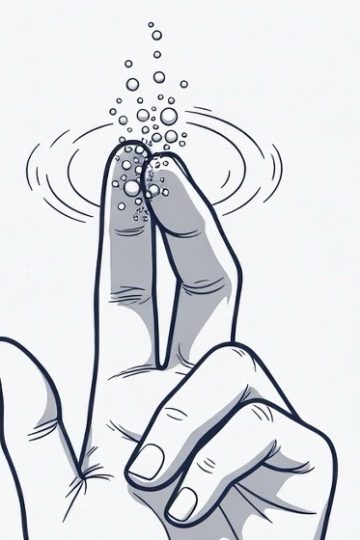
Does Cracking Knuckles Cause Arthritis?

Cracking your knuckles doesn’t cause arthritis, a common myth debunked by science. The popping sound comes from gas bubbles (mostly nitrogen) in the synovial fluid bursting in the joint capsule when you stretch the metacarpophalangeal joints—a process called tribonucleation. Studies, including long-term research on habitual knuckle crackers, show no link to osteoarthritis or rheumatoid arthritis, […]

Q&A

Can You Punch Your Way Out of a Coffin? Survival Myth

The idea that you can punch your way out of a coffin is a popular survival myth, but science shows it’s almost impossible. At six feet underground, soil pressure from thousands of pounds of dirt locks the coffin lid in place, and breaking it would cause instant soil collapse, crushing the chest and blocking airflow. […]

Q&A

Does Earth’s Rotation Affect Water Drainage? Myth vs. Science

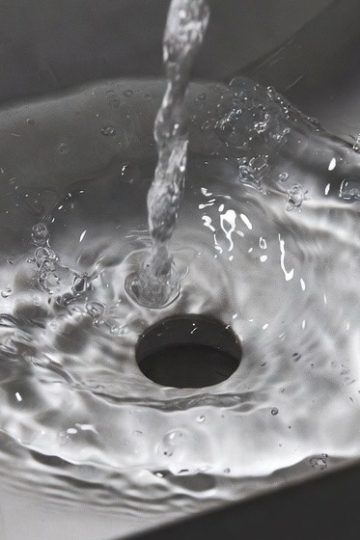
The Coriolis effect, caused by Earth’s rotation, does not influence water drainage direction in sinks or toilets. While the myth suggests that water spins clockwise in the Southern Hemisphere and counterclockwise in the Northern Hemisphere, this is not true. The Coriolis force is too weak to affect small-scale water flow, with factors like basin shape, […]

Q&A

Have You Ever Felt Instantly Better After Increasing Your Electrolytes?

Many people feel instantly better—clearer head, more energy, no cramps or dizziness—after adding electrolytes like sodium, potassium, and magnesium. This happens because these minerals keep fluids balanced, support nerves and muscles, and maintain blood volume and pressure. You lose them fast through sweat, low-carb diets, fasting, calorie deficits, or conditions like POTS and dysautonomia, leading […]

Q&A

How Can Clean, Smart Mobility Shape a Sustainable Transport Future?

A sustainable transportation ecosystem aims to cut emissions, reduce car dependence, and ensure everyone can access clean, affordable mobility. It links zero-emission vehicles, renewable energy, smart grids, and multimodal networks like public transit, shared mobility, and micromobility. Circular manufacturing, battery recycling, and resilient infrastructure help lower waste and resource use. Community engagement and inclusive design […]

Q&A

What Are the Benefits and Uses of Methylene Blue?

Methylene blue, a synthetic dye first created in 1876, has evolved into a versatile compound used in medicine, diagnostics, and research. It treats methemoglobinemia, cyanide poisoning, and isobutyl nitrite toxicity, acting as a reducing agent. It also serves as a vasopressor in vasoplegic syndrome and has applications in surgeries like sentinel lymph node mapping. Methylene […]

Q&A

What Are the Top Signs Someone Overestimates Their Intelligence?

People who think they’re smarter than they are often show it through overconfidence and a lack of self-awareness. They may dominate conversations, interrupt others, overuse jargon, or insist they’re right even when evidence is unclear. These behaviors come from insecurity and an inability to recognize personal limits. Subtle signs include giving unsolicited advice, refusing to […]

Q&A

Did Stephen Hawking Predict Only 100 Years Left for Humans?

Stephen Hawking warned that humanity may have only 100 years left on Earth unless we become a multi-planetary species. He highlighted rising risks like climate change, overpopulation, nuclear war, asteroid impacts, deadly pandemics, genetically engineered viruses, and uncontrolled super-AI that could lead to extinction. Originally giving us 1,000 years, he shortened the timeline in 2017 […]

Q&A

What Is VPN? Benefits, Uses, and Security Explained Simply

A VPN (Virtual Private Network) creates a secure, encrypted tunnel between your device and the internet, hiding your real IP address and protecting your data. It uses strong AES-256 encryption and protocols like WireGuard or OpenVPN to keep your online activity private, especially on public Wi-Fi. Key benefits include online privacy, bypassing geo-blocks for streaming, […]