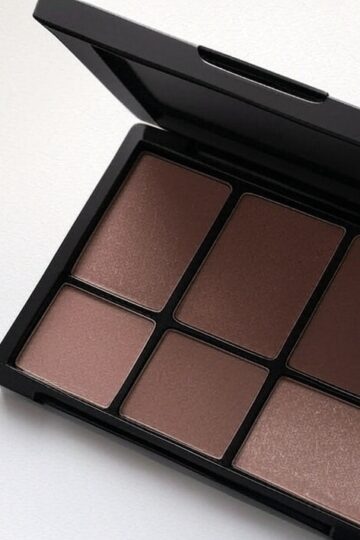
Toxic makeup contains harmful ingredients like parabens, phthalates, formaldehyde, lead, and PFAS, which can cause skin irritation, allergic reactions, endocrine disruption, and even cancer. The FDA’s lax regulations allow these chemicals in cosmetics, unlike stricter EU standards. Consumers face risks from bioaccumulation and environmental damage from microplastics and siloxanes. Clean beauty offers safer, non-toxic alternatives, […]
Tag: endocrine disruptor
Flush Toxins to Boost Testosterone: Detox for Men’s Health
Toxins like BPA, phthalates, and heavy metals disrupt testosterone by acting as endocrine disruptors, causing low T, fatigue, and poor health. Detoxifying your body can restore hormone balance. Eat cruciferous vegetables, antioxidants, and fiber to support liver detox and gut health. Stay hydrated, avoid processed foods, and use supplements like NAC, milk thistle, and zinc. […]
Pharmaceutical Pollution: Impact on Ocean Life & Ecosystems
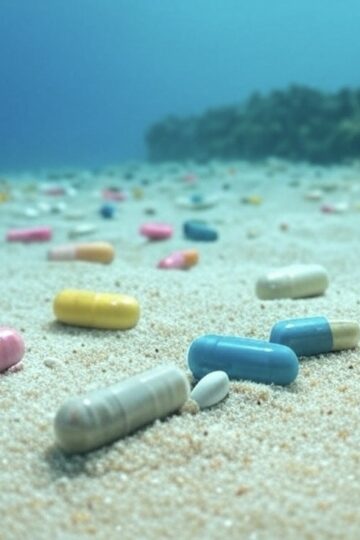
Pharmaceuticals pollute oceans, harming marine life and ecosystems. Drug residues, like antibiotics and hormones, enter through wastewater, sewage, and runoff, contaminating water and accumulating in fish and shellfish. These chemicals disrupt hormones, alter fish behavior, and damage coral reefs. Microplastics worsen the issue by carrying drugs, increasing bioaccumulation. To reduce harm, we need better wastewater […]
Is Plastic Safe for Storing Food Oils? Key Risks & Tips
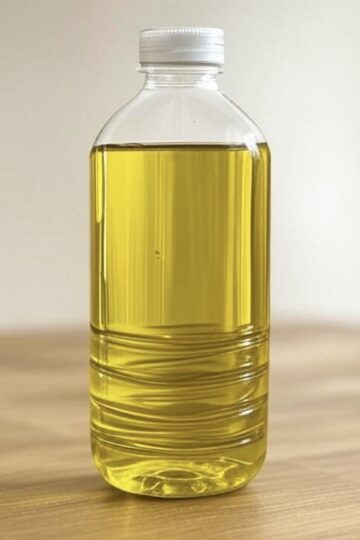
Storing food oils and fats in plastic containers is common, but is it safe? Food-grade plastics like PET, HDPE, and PP are designed to minimize chemical leaching, meeting strict FDA and EU standards. However, concerns about BPA, phthalates, and other compounds migrating into oils persist, especially with heat or long storage. Oils can extract chemicals […]
Glyphosate Health Risks: Cancer, Hormones, Neurotoxicity
Glyphosate, the key ingredient in Roundup, is a widely used herbicide in farming, especially with glyphosate-resistant GMO crops. It kills weeds effectively but raises health concerns like cancer (e.g., non-Hodgkin lymphoma), endocrine disruption, and neurological issues. The IARC calls it “probably carcinogenic,” sparking lawsuits, while the EPA deems it safe within limits. Studies show mixed […]
Hormone Disruptors: How Daily Life Affects Men’s Health
Everyday life exposes men to stress, processed foods, plastics, and grooming products that disrupt hormones. These endocrine disruptors—like BPA, phthalates, and parabens—mimic estrogen, throwing off the testosterone-estrogen balance. Stress boosts cortisol, which can lower testosterone, while processed foods with pesticides and emulsifiers add estrogenic compounds. Plastics leach xenoestrogens like microplastics and phthalates, and grooming products […]
Receipt Paper Chemicals: BPA, BPS, and Safer Alternatives
Receipt paper is an everyday item most of us encounter without a second thought—crumpled in wallets, tossed in recycling bins, or handed over by cashiers. Yet, beneath its unassuming surface lies a complex web of chemicals that has sparked scientific scrutiny, regulatory debates, and growing public health concerns. At the heart of this issue are […]
Microplastics in Canned Soda: Health Risks and Environmental Impact
Microplastics in canned soda pose significant health risks and environmental concerns. These tiny plastic particles can leach into beverages from can linings, potentially causing inflammation and oxidative stress in consumers. Many plastics contain harmful additives like phthalates and BPA, which disrupt hormonal systems. Environmentally, microplastics contribute to pollution, harming aquatic ecosystems and entering the food […]
Could Dust in Your Home be a Hormone Disruptor?
Dust in the home can potentially cause hormonal imbalances due to the presence of substances known as endocrine disruptors. Endocrine disruptors are chemicals that interfere with the normal functioning of hormones in the body, potentially leading to adverse health effects. There are various endocrine disruptors that may be present in household dust, including: Studies have […]