
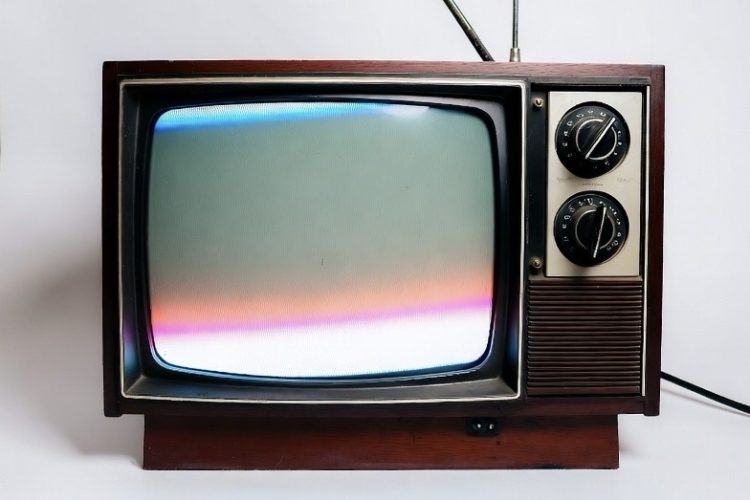
TV shows often decline due to creative fatigue, staff changes, and profit pressure. Early seasons shine with fresh ideas, but extending series leads to repetitive plots, filler episodes, jumping the shark, flanderization, and retcons from lack of long-term vision. Showrunner departures, actor exits, writing staff shifts, and labor disputes disrupt tone and consistency. Networks push formulaic storytelling, budget cuts, and episode stretching to chase ad dollars and subscriber fees, causing underbudgeting, rushing production, and fan pandering. Streaming struggles, market saturation, cord-cutting, and mergers add pressure, favoring short seasons and overseas production. Shows like Breaking Bad prove planned endings prevent decline. Success requires protected creativity, realistic episode counts, and balancing art with commerce.
Long Version
Why TV Shows Decline: The Interplay of Ideas, Staff Changes, and Profit Pressure
Television series often start with a bang—captivating audiences with fresh narratives, compelling characters, and innovative storytelling. Yet, many experience a noticeable decline in quality as they progress, leading to ratings drops, audience disengagement, and eventual cancellation or an underwhelming end of series. This production decline stems from a complex mix of factors, including creative stagnation where shows run out of ideas, staff turnover that disrupts the original spark, and relentless profit motives that prioritize financial gain over artistic integrity. Understanding these elements provides valuable insights into the challenges of sustaining long-running shows in an era of streaming struggles, market saturation, and evolving viewer habits.
Creative Fatigue: When Ideas Run Dry
One of the most common culprits behind a show’s downturn is creative fatigue, where the initial burst of originality gives way to repetitive plots and formulaic storytelling. Early seasons often benefit from a well-planned arc, but as series extend beyond their intended scope, creators may overstretch storylines, leading to a lack of long-term vision. This results in filler episodes that pad runtime without advancing the narrative, or spinning wheels where characters circle the same conflicts with no discernible story reason.
A classic example is the phenomenon known as “jumping the shark,” a term originating from Happy Days, where Fonzie’s literal shark-jump in Season 5 symbolized the moment the show veered into absurdity due to milked concepts. Shows like The Simpsons and SpongeBob SquarePants have faced similar criticisms, with long-running formats leading to creative burnout among writers, who struggle to maintain freshness after hundreds of episodes. Flanderization exacerbates this, as character traits become exaggerated to caricature levels—think Ned Flanders in later Simpsons seasons evolving from a kind neighbor into an over-the-top religious zealot.
Retcons, or retroactive continuity changes, often signal desperation, rewriting history to force new plots but creating implausibility in plots and pacing issues. Data-driven analyses of serialized TV reveal that quality dips are common in later seasons, with ratings reflecting audience frustration over lack of originality. In prestige TV, this manifests as self-referential elements that feel forced, or fan service overload designed to appease viewers but lacking substance. The shift to shorter seasons in the streaming era—often 8-10 episodes—aims to combat this, but it can still lead to rushed resolutions and underdeveloped ideas, as seen in discussions around modern shows struggling to build deep character relationships.
Staff Changes: Losing the Core Vision
Staff changes represent another pivotal factor in a show’s decline, often triggering a loss of tone or trajectory that alienates fans. Showrunner departure is particularly damaging, as these key figures oversee the creative direction. When an original showrunner leaves—due to burnout, poaching by other projects, or disputes—the replacement may be an inexperienced showrunner, leading to writing staff shifts and turnover in departments that erode the series’ consistency.
Aaron Sorkin’s exit from The West Wing after Season 4 is a textbook case, with many fans noting a shift in dialogue sharpness and narrative depth. Similarly, Northern Exposure suffered after Rob Morrow’s departure, disrupting storylines and contributing to a perceived quality drop. Actor departures compound this, as stars seek new projects, forcing abrupt exits or recasts that confuse viewers and dilute ensemble dynamics.
Creative team leaving en masse can stem from labor disputes, such as writers’ strikes or actors’ strikes, which halt production and lead to rushed scripts upon resumption. Inexperienced teams may introduce meddling executives’ notes, further straying from the original spark. Viewer discussions highlight how these changes make shows feel disjointed, with examples like Star Trek: The Original Series dropping in quality during its third season due to budget and leadership shifts. The result? A production decline where the once-cohesive vision fragments, leading to audience engagement waning as fans sense the heart of the series has been lost.
Profit Pressure: The Business Side of Storytelling
Profit pressure exerts immense influence, often forcing shows into decisions that prioritize revenue challenges over quality. Commercial pressures from networks or streamers demand stretching for episodes to maximize profits, leading to underbudgeting and rushing production. This profit motive can manifest as budget cuts that limit sets, effects, or talent, resulting in economic uncertainty for creators and visible dips in production values.
Network interference is notorious, with executives pushing for formulaic elements to chase ad dollars or subscriber fees, as seen in sci-fi shows like Star Trek hampered by budget slashes and attempted cancellations. In the streaming age, mergers and acquisitions debt burdens platforms, leading to content spending reductions and overseas productions to cut costs, which can introduce cultural disconnects or lower standards.
Fan pandering for revenue—catering to vocal online communities—often backfires, creating sentimentality for cashing in on nostalgia without substance, as capitalism gobbles IPs for endless reboots. Cord-cutting and ad marketplace weakness have intensified this, with SVOD platforms like Netflix facing market saturation and pushing for binge models that encourage on-demand content but lead to shorter, less ambitious seasons. Generative AI impact looms as a future threat, potentially automating scripts but risking even more formulaic output. Examples abound, from Veronica Mars to Deadwood, where executive meddling disrupted narratives for perceived financial gain.
Interconnected Factors and Broader Industry Trends
These elements rarely operate in isolation; creative burnout often intersects with staff changes driven by profit demands. For instance, peak TV’s explosion has heightened competition, forcing shows into fan service overload or implausible plots to stand out, while broadcast TV reduction shifts focus to streaming, where pacing issues arise from binge-watching norms. Labor disputes amplify turnover, and economic pressures lead to actor departures as stars pursue better-paying gigs.
Broader trends, like shorter attention spans influenced by social media, demand faster formats, making traditional long-form dramas vulnerable. Yet, some shows buck the trend—Breaking Bad maintained quality through planned endings—proving that with vision and restraint, decline isn’t inevitable. Viewer habits, including binge-watching, can mask early flaws but highlight inconsistencies over time.
Looking Ahead: Sustaining Quality in TV
Ultimately, TV decline reflects an industry balancing art and commerce. To mitigate it, creators need protected autonomy, realistic episode counts, and planned arcs that avoid overstretching. As audiences demand authenticity amid streaming struggles, shows that prioritize depth over exploitation stand the best chance of enduring. By addressing creative stagnation, minimizing disruptive staff changes, and resisting unchecked profit pressures, television can reclaim its potential as a medium for lasting, impactful storytelling.
Hashtags For Social Media
#tvshows #showdecline #tvseriesanalysis #tvwriting #screenwriting #behindthescenes #tvfans #hollywoodinsider #netflixseries #hbomax #streamingwars #tvaddict #bingewatching #showrunners #writersroom #tvproduction #tvtrends #popculturetalk #filmcommunity #seriesreview #tvcritic #storytellingmatters #mediaculture #tvindustry #creativefatigue #entertainmentnews #tvshowobsessed #tvserieslover #showbusiness #tvinsights
Related Questions, Words, Phrases
why do tv shows decline in quality over time | why do tv shows get worse after a few seasons | what causes tv shows to lose quality | why do good tv shows go bad | how come tv shows drop in quality later on | why are tv shows not as good as they used to be | what makes tv shows decline after success | why do long-running tv shows become boring | how does writing affect tv show quality | why do tv shows lose their magic | do tv shows get worse because of new writers | what happens when tv show writers change | how do profit motives ruin tv shows | why do networks ruin good tv shows | are tv shows ruined by executives | how does staff turnover impact tv shows | do too many seasons hurt a tv show | why do producers stretch tv shows too long | when do tv shows start getting bad | what leads to tv show burnout | how do ideas run out in tv shows | why does story quality drop in long tv shows | why do fans stop liking tv shows after a while | how does creative fatigue affect tv shows | are modern tv shows worse than old ones | why do tv series lose direction | why does character writing get worse over time | how do tv studios ruin storytelling | why do some shows end perfectly while others don’t | what are signs a tv show is running out of ideas | why do season finales feel disappointing | how do profits affect tv storytelling | can a tv show recover after declining | what kills a tv show’s originality | why does a great first season rarely last


