
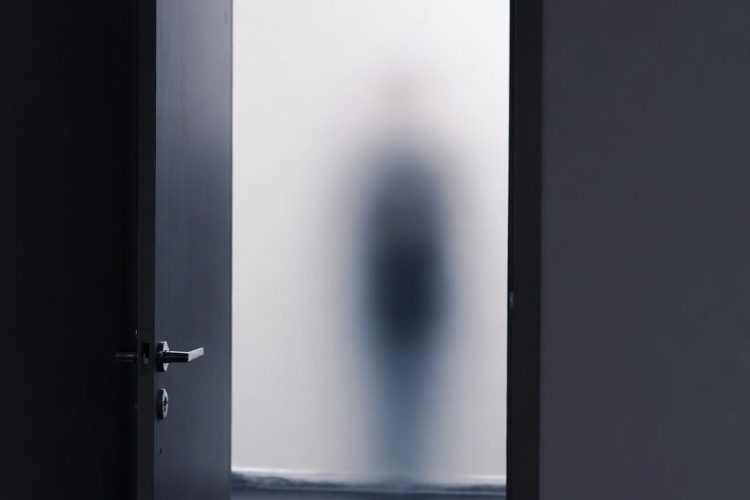
Ghosts—spirits, apparitions, hauntings—fascinate many, but science finds no proof they exist. Cultural beliefs in restless dead, vengeful spirits, or intelligent ghosts stem from folklore like dybbuk, bhoot, yūrei, and poltergeists. People report shadow people, EVPs, or Ouija board messages, yet these often arise from sleep paralysis, hallucinations, pareidolia, or infrasound. Ghost hunting uses EMF meters and infrared cameras, but readings reflect wiring issues or noise, not spirits. Carbon monoxide, mold, and suggestion explain “hauntings.” Near-death experiences and the First Law of Thermodynamics are misused as evidence; no peer-reviewed study supports ghosts. Skepticism and critical thinking reveal natural causes—psychology, environment, misperception. Belief comforts, but facts point to the mind, not the afterlife.
Long Version
Do Ghosts Exist? What Science and Evidence Say About Spirits
The question of whether ghosts exist has intrigued humanity for centuries, blending elements of the paranormal and supernatural with deep-seated beliefs in the afterlife. From ancient folklore and mythology to modern ghost hunting expeditions, reports of hauntings, apparitions, and spectral phantoms continue to captivate. Yet, when scrutinized through the lens of science, evidence, and skeptical inquiry, the existence of spirits—whether as restless dead, vengeful spirits, or intelligent spirits—remains unproven. This article explores the cultural, psychological, and scientific dimensions of these phenomena, providing a thorough examination of why people report supernatural presence while offering rational explanations grounded in psychology, perception, and environmental factors.
Historical and Cultural Roots of Ghost Beliefs
Beliefs in ghosts and spirits are woven into the fabric of human history, appearing in diverse forms across cultures. In many traditions, ghosts represent the souls of those who suffered violent death or premature death, lingering in an intermediate state like purgatory due to unfinished business or improper funerary rites. For instance, in Jewish folklore, the dybbuk is an unclean spirit that possesses the living, often as a form of demonic possession. Similarly, in Indian mythology, the bhoot is a shadowy figure or restless dead entity tied to animism and ancestor worship, manifesting as a supernatural presence after untimely demise.
Eastern cultures offer their own variations: Japanese yūrei are often depicted as white ladies or banshees, ethereal beings with blurry auras, driven by unresolved grievances. In Chinese spiritism, hungry ghosts roam as vengeful spirits, seeking sustenance or retribution. Even seafaring lore includes ghost ships, like the legendary Flying Dutchman, symbolizing eternal hauntings on the waves. These stories, rooted in necromancy and séances, reflect a universal human tendency to explain the unknown through mythology, where the afterlife intersects with the living world.
Such beliefs persist today, fueled by legend tripping—visits to reputedly haunted sites—and ostension, where folklore inspires real-world actions. Surveys indicate that around 38% of people classify themselves as believers in ghosts, with a similar number reporting personal encounters. This cultural tapestry underscores how belief in the paranormal shapes our interpretation of eerie experiences, even as science demands empirical proof.
Types of Reported Ghostly Phenomena
Ghost sightings and hauntings vary widely, often categorized into distinct types by paranormal enthusiasts. Residual hauntings, for example, are thought to be replayed echoes of past events, like a looped recording of a historical tragedy, without interaction. In contrast, intelligent spirits allegedly respond to the living, communicating during séances or via Ouija boards. Poltergeists, known for chaotic object movement, represent a more disruptive form, sometimes linked to adolescent stress in psychological analyses.
Other manifestations include shadow people—dark, humanoid figures glimpsed peripherally—or blurry auras suggesting a supernatural presence. Reports of electronic voice phenomena (EVP), where voices emerge on recordings, add to the intrigue, as do encounters with unclean spirits or demonic possession, often dramatized in media. Near-death experiences sometimes involve apparitions of deceased loved ones, blurring the line between the afterlife and hallucination. These accounts, while compelling, frequently stem from misperception or hoaxes, where sensory cues are misinterpreted as evidence of the restless dead.
Tools and Methods in Ghost Hunting
Modern ghost hunting employs an array of devices to detect alleged spirits, blending pseudoscience with rudimentary technology. Electromagnetic field (EMF) detectors, infrared radiation cameras, Geiger counters, and ion detectors are staples, purportedly capturing fluctuations indicative of supernatural activity. EVP sessions use audio recorders to snag whispers from the beyond, while infrasound meters check for low-frequency sounds that might induce unease.
Enthusiasts argue these tools provide evidence, but skeptics point out their unreliability. For instance, EMF spikes can result from faulty wiring, not intelligent spirits. Similarly, EVP often captures ambient noise or pareidolia—the brain’s tendency to find patterns in randomness, like hearing voices in static. Despite the allure, no peer-reviewed study has validated these methods as proof of ghosts, highlighting the divide between belief and scientific rigor.
Scientific Explanations for Ghostly Encounters
Science offers robust alternatives to supernatural claims, emphasizing natural causes over spirits. Hallucinations, particularly visual hallucinations during REM sleep or sleep paralysis, account for many sightings. In sleep paralysis, individuals awake paralyzed, often sensing a shadowy figure or supernatural presence, accompanied by terror. This state, linked to disrupted sleep cycles, mimics demonic possession or hauntings.
Environmental factors play a key role too. Carbon monoxide poisoning, common in old buildings, induces hallucinations and disorientation, explaining “haunted” houses. Mold exposure, like from aspergillus, causes optic nerve inflammation, leading to dark shapes in vision. Infrasound—low-frequency vibrations below human hearing—triggers unease, chills, or “fear frequency,” as seen in investigations of reputedly haunted sites.
Electromagnetic fields (EMF) from natural or man-made sources can disrupt brain signals, fostering sensations of being watched. Pareidolia turns vague stimuli, like faces in shadows, into apparitions, while inattentional blindness causes us to miss ordinary explanations. Ball lightning, a rare atmospheric phenomenon, might appear as glowing orbs mistaken for spirits.
Psychology further demystifies these experiences. Critical thinking and skeptical inquiry reveal how suggestion amplifies perceptions: in a “haunted” location, minor anomalies are attributed to ghosts. Hoaxes, fueled by media, perpetuate myths, but studies show no empirical evidence for ghosts. Even the First Law of Thermodynamics—energy conservation—is invoked by believers to argue spirits persist, yet physics finds no mechanism for soul-like energy post-death.
Near-death experiences, often cited as proof of the afterlife, result from brain chemistry under stress, producing tunnels of light or out-of-body sensations without supernatural involvement. Collectively, these explanations demonstrate how perception and environment conspire to create ghostly illusions.
Evidence, Skepticism, and Ongoing Debates
Despite widespread belief, the scientific consensus is clear: no credible evidence supports ghosts. Ghost hunting shows and viral videos often rely on hoaxes or misinterpreted data, failing under scrutiny. Skepticism, bolstered by psychology, urges critical thinking: art students may lean toward paranormal interpretations, while science students favor rational ones.
Opinions vary. Some dismiss ghosts as lacking empirical evidence, aligning with science. Others share personal stories, insisting on their reality despite no proof. Discussions often reference residual energy or demons, but these remain unverified. Podcasts and interviews explore the paranormal-science intersection, yet yield no breakthroughs.
Anthropological views suggest ghosts “enter the scientific realm” through measurement, but this conflates pseudoscience with genuine inquiry. Ultimately, while cultural narratives enrich our understanding, science demands falsifiable evidence—which ghosts lack.
Conclusion: Balancing Belief and Reason
The allure of ghosts— from bhoot to yūrei, poltergeists to shadow people—stems from our innate curiosity about the afterlife and the unknown. Yet, through psychology, perception, and environmental science, most encounters reveal natural origins: hallucinations from sleep paralysis, misperceptions via pareidolia, or toxins like carbon monoxide. While belief offers comfort, skeptical inquiry and critical thinking empower us to discern fact from fiction. Ghosts may not exist as supernatural entities, but the phenomena they represent illuminate the complexities of the human mind and our shared cultural heritage. As research advances, perhaps we’ll uncover more about these mysteries, but for now, the evidence points firmly to the natural world.
Hashtags For Social Media
#ghoststories #paranormalactivity #hauntedplaces #ghosthunters #supernatural #paranormalinvestigation #creepyfacts #urbanlegends #spookyseason #ghostphotography #hauntedhistory #trueghoststories #mysteryhunters #ghostencounters #shadowpeople #spiritworld #ghostmyths #hauntedhouse #unexplainedphenomena #afterlife #paranormalevidence #spookyvibes #ghostsightings #hauntingseason #creepycontent #occultmysteries #sciencevsparanormal #skepticalthinking #psychologyofbelief #hauntednights
Related Questions, Words, Phrases
are ghosts real | is there scientific proof of ghosts | what does science say about hauntings | why do people believe in spirits | how do ghost hunters detect ghosts | are emf meters accurate for ghost hunting | what causes people to see ghosts | can carbon monoxide make you think a house is haunted | what is pareidolia in ghost sightings | are near death experiences proof of an afterlife | how does psychology explain ghost encounters | what are common natural causes of hauntings | do infrasound waves cause ghost feelings | can mold exposure make you hallucinate ghosts | what are shadow people really | how do ouija boards seem to work | why do people hear voices in empty rooms | what are cultural beliefs about restless spirits | how do different cultures describe ghosts | are there any peer reviewed studies on ghosts | what is the dybbuk in jewish folklore | who are yūrei in japanese ghost stories | why do skeptics say ghosts aren’t real | how does sleep paralysis cause ghost visions | are poltergeists real or psychological | can science explain evps or ghost recordings | why do haunted houses feel cold or eerie | what role does suggestion play in hauntings | is it possible energy from the dead remains | how does the first law of thermodynamics relate to ghost beliefs | why are people fascinated by the paranormal | can belief in ghosts provide comfort | do animals sense spirits or just react to sounds | what’s the difference between hauntings and hallucinations | can technology really detect spirits | why do some places seem more haunted than others


