
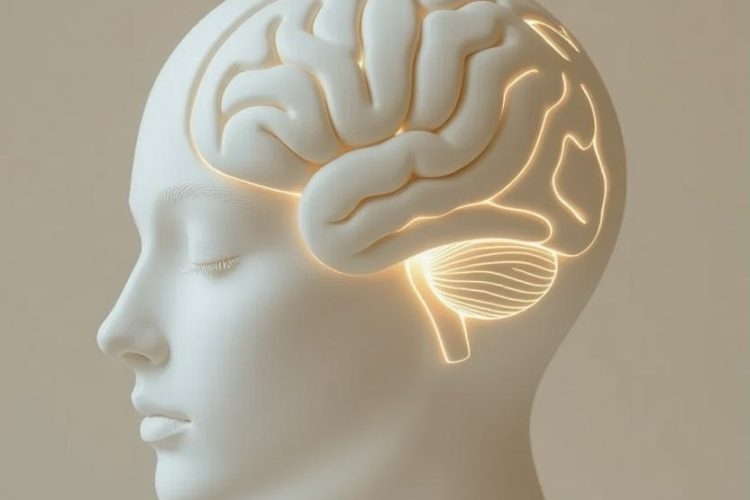
Social media reshapes your brain through neuroplasticity, altering emotions and behavior. Algorithms exploit the reward system, releasing dopamine to create addictive patterns, especially in teens with developing brains. Mirror neurons drive emotional contagion, mirroring feelings like anger or joy from online content, shaping your mindset. Negative bias amplifies anxiety and depression, while social comparison lowers self-esteem. Multitasking fragments attention, impairing memory and focus. Yet, uplifting content can foster optimism and resilience. To counter risks, limit usage, batch notifications, and prioritize real-world connections. Understanding these effects—dopamine loops, filter bubbles, and emotional regulation—helps you use social media intentionally for better mental health.
Long Version
How Social Media Rewires Your Brain and Shapes Emotions
In an era where billions scroll through feeds daily, social media has become more than a tool for connection—it’s a powerful force reshaping our neural pathways. Through mechanisms like mirror neurons, which allow us to unconsciously mimic the emotions and actions we observe online, platforms trigger profound emotional responses and influence our mindset. This rewiring, driven by neuroplasticity, can foster addiction, alter behavior, and impact mental health, but it also holds potential for positive change with uplifting content promoting healthier, more optimistic thinking.
The Neuroscience Behind Social Media’s Grip
Social media platforms leverage sophisticated algorithms to curate content, exploiting brain hacking techniques that keep users engaged. These persuasive technologies, including infinite scroll and personalized feeds, create a seamless loop of consumption, hijacking the reward system to release dopamine with every like or notification. Neuroscience reveals that this mirrors gambling addiction, where variable rewards in the nucleus accumbens amplify anticipation and craving, leading to novelty addiction as the brain seeks constant new stimuli.
Psychology underscores how these designs play on our vulnerabilities, particularly during adolescence when the default mode network (DMN), involved in self-reflection and mind-wandering, is still maturing, making teens more susceptible to divided attention and impulse control issues.
Algorithms analyze user behavior to push content that maximizes emotional engagement, often prioritizing negative bias—our innate tendency to focus more on harmful or fearful information for survival reasons. This brain hacking not only sustains attention but rewires neural circuits, reducing gray matter in the prefrontal cortex, which governs decision-making and emotional regulation. As a result, users experience heightened anxiety and depression, with studies showing a 13% increased risk of depressive symptoms per additional hour of daily use.
Neuroplasticity: How the Brain Adapts and Changes
At the core of social media’s influence is neuroplasticity, the brain’s ability to form new connections and restructure itself based on experiences. Prolonged exposure leads to structural alterations, such as decreased gray matter in regions like the amygdala, which processes emotions and impulses, and the orbitofrontal cortex, linked to reward and decision-making. This rewiring affects memory, shifting reliance from internal recall to external sources like search functions, fostering cognitive offloading where users remember how to access information rather than the facts themselves.
In adolescents, these changes are amplified due to ongoing brain development, with reduced volume in the cerebellum impacting coordination, attention, and language processing. Multitasking, encouraged by constant notifications, impairs sustained focus, increasing activation in the right prefrontal cortex while diminishing overall cognitive performance. Over time, this divided attention erodes impulse control, making it harder to resist the pull of endless feeds.
The Dopamine-Driven Reward System and Addiction
Social media’s addictive potential stems from its manipulation of the dopamine-fueled reward system. Each interaction—scrolling, liking, or sharing—triggers dopamine release in the nucleus accumbens, creating a pleasure loop akin to substance use. This leads to addiction, with symptoms including anxiety when offline and compulsive checking behaviors that disrupt daily life. Novelty addiction emerges as algorithms feed fresh content, exploiting our brain’s preference for new information, which overrides deeper engagement and fosters behavioral patterns of constant seeking.
In teens, this is exacerbated by heightened reward sensitivity, with genetic factors in dopamine receptors increasing vulnerability. The result? Poorer emotional regulation and increased risks of mental health issues like depression, as the DMN shows lower responsiveness, linking to persistent negative moods.
Mirror Neurons and the Spread of Emotional Contagion
Mirror neurons play a pivotal role in how social media shapes emotions, firing not only when we perform an action but when we observe it in others, enabling empathy and emotional syncing. Online, this manifests as emotional contagion, where viewing posts triggers unconscious mimicry of displayed feelings—anger in a viral rant or joy in uplifting content—rewiring our mindset through repeated exposure. Negative emotions spread faster, amplified by algorithms that prioritize outrage, leading to collective anxiety or resentment during events like pandemics.
This mirroring extends to social cognition, where we internalize others’ behaviors, influencing self-esteem and interpersonal dynamics. Positive content, however, can counter this by fostering optimistic thinking, strengthening neural pathways for resilience and healthier emotional responses.
Attention, Memory, and Cognitive Impacts
Social media fragments attention through multitasking and infinite scroll, reducing the brain’s capacity for deep focus and increasing susceptibility to distractions. This divided attention impairs memory formation, as constant switching overloads working memory and weakens connections in temporal regions. Impulse control suffers, with the anterior cingulate cortex showing imbalances that favor immediate gratification over long-term goals.
Behaviorally, this leads to reduced productivity and heightened stress, as the brain adapts to rapid, shallow processing at the expense of sustained cognitive efforts.
Emotional Regulation and Mental Health Consequences
Emotional regulation is disrupted as social media intensifies feelings through social comparison, where curated feeds trigger envy and lower self-esteem. The amygdala’s hyperactivity in response to negative stimuli contributes to anxiety and depression, with cyberbullying victims showing altered neural activity in regions like the anterior cingulate cortex, exacerbating emotional instability and suicidal ideation.
Negative bias dominates, with platforms amplifying harmful content that shapes pessimistic mindsets and behaviors. Yet, communities can aid regulation by providing support, reducing isolation through shared experiences.
Navigating Social Dynamics: Filter Bubbles and Beyond
Filter bubbles and echo chambers, created by algorithms, limit exposure to diverse views, reinforcing biases and polarizing behavior. Cyberbullying thrives in these spaces, damaging social cognition and leading to withdrawal or aggression. This environment fosters deindividuation, where anonymity reduces accountability, spreading negative emotional contagion and altering group dynamics.
Harnessing the Positive: Strategies for Healthier Use
While risks abound, social media can rewire the brain positively. Consuming uplifting content activates mirror neurons for empathy and optimism, enhancing emotional regulation and mental health. Mitigation includes setting limits, batching notifications, and prioritizing real-world interactions to restore balance in the reward system and attention spans. Awareness of persuasive technologies empowers users to break cycles of addiction and foster resilient behaviors.
In summary, social media’s influence on the brain—through rewiring, emotional contagion, and algorithmic manipulation—profoundly shapes our emotions and mindset. By understanding these mechanisms, from dopamine highs to neuroplastic adaptations, we can navigate its effects for better mental health and more intentional engagement, turning potential pitfalls into pathways for growth.
Hashtags For Social Media
#socialmediaandmentalhealth #dopamineaddiction #digitalwellness #mindfulsocialmedia #neuroscienceofsocialmedia #brainhealth #mentalhealthawareness #socialmediadetox #reclaimyourfocus #dopaminefasting #socialmediaeffects #onlinebehavior #emotionalwellbeing #mentalclarity #socialmediabalance #digitalmindfulness #selfawarenessjourney #healthyhabits #mindfulscrolling #socialmediainfluence #neuroplasticity #focusandproductivity #teenmentalhealth #positivevibesonly #mentalresilience #psychologytoday #mindsetmatters #breakthecycle #digitalselfcare #retrainyourbrain
Related Questions, Words, Phrases
how does social media change your brain? | what happens to your brain when you use social media too much? | can social media rewire your brain through neuroplasticity? | how does dopamine make social media addictive? | why does scrolling social media feel so rewarding? | how do algorithms manipulate your emotions online? | is social media addiction real or psychological? | how does social media affect teen brain development? | what role do mirror neurons play in social media behavior? | how does emotional contagion happen on social platforms? | can social media make you feel anxious or depressed? | why does comparing yourself on social media lower self-esteem? | how does multitasking on social media affect focus? | does constant social media use harm memory? | how do dopamine loops keep you hooked on apps? | what are filter bubbles and how do they affect mindset? | can positive social media content improve mental health? | how can you use social media without hurting your brain? | what are the long-term effects of social media on emotions? | how can you break the social media dopamine cycle? | how does social media shape your perception of reality? | is social media rewiring teenage brains differently from adults? | how can emotional regulation help reduce social media stress? | what’s the connection between social media and anxiety? | how can you train your brain to use social media intentionally? | what happens in your brain when you get likes or notifications? | can reducing social media time improve happiness? | how does social comparison online affect your confidence? | what brain chemicals are released when using social media? | why does social media make it hard to focus? | can mindfulness offset social media’s negative effects? | how do social media platforms exploit brain chemistry? | what psychological tricks make social media addictive? | how can you reset your brain after social media overuse? | is there a healthy way to get dopamine from social media?


